
Fresh air, slow days, big mountains
Small-group and private journeys through Ladakh, Spiti, Kashmir, Sikkim, Nepal and Bhutan, planned around how you like to travel.
- Himalayan regions
- 8
- Signature journeys
- 12
- Travellers at most per group
- 12
- Journeys from, per person
- ₹14,900
Choose your valley
Eight regions, each with its own light, its own food and its own season.
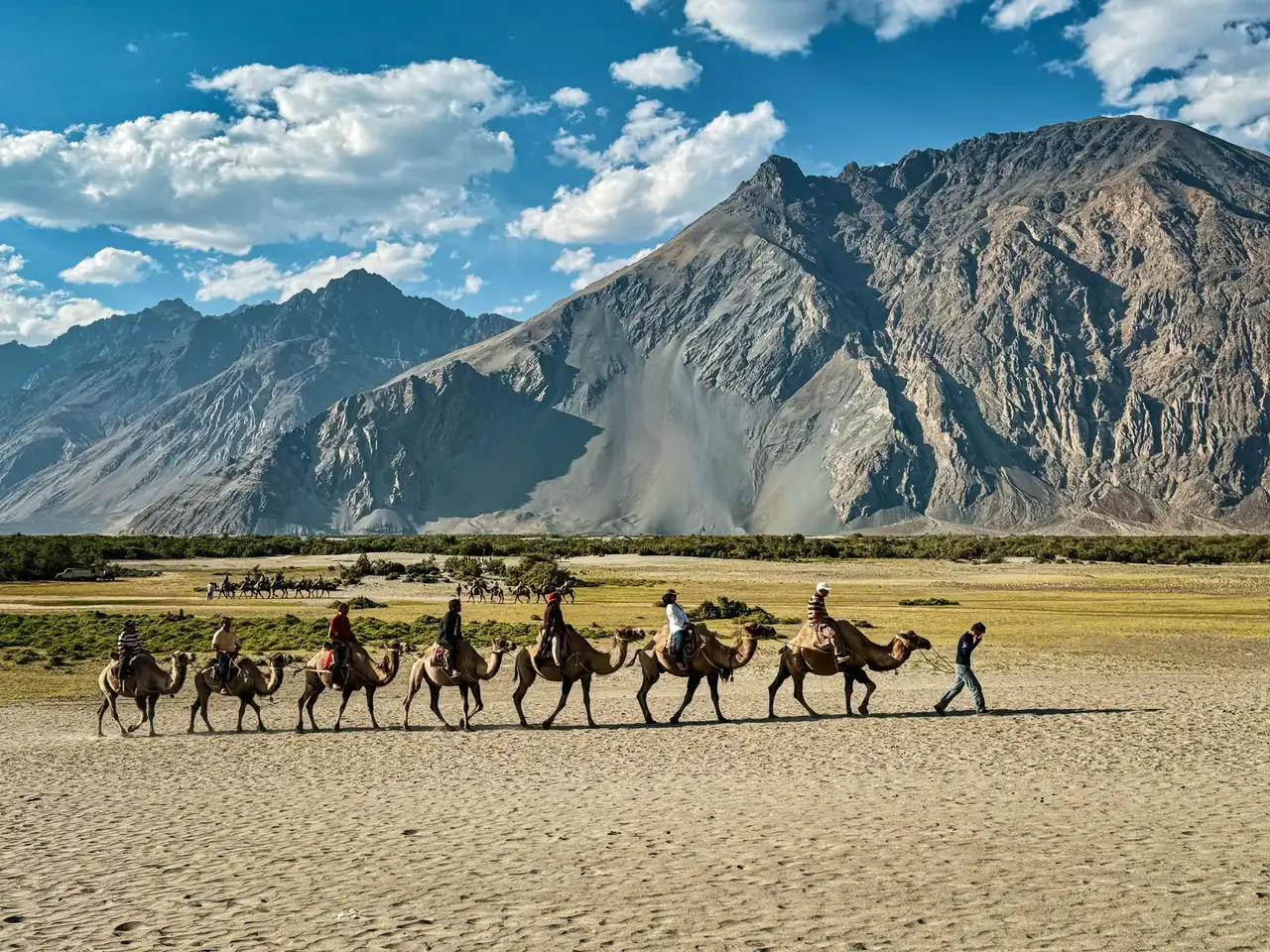
Ladakh
Up to 5,360 m2 journeys · from ₹42,900
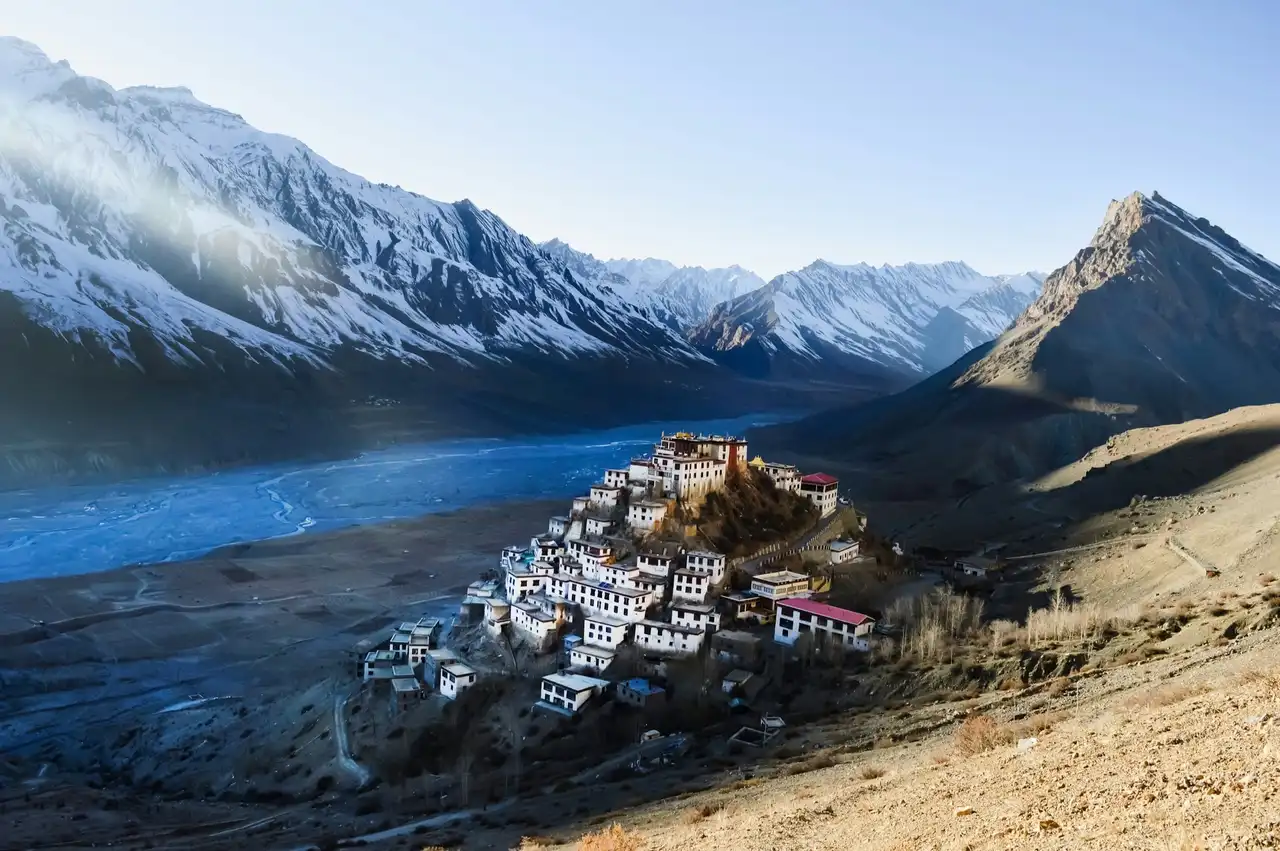
Spiti
Up to 4,587 m1 journey · from ₹38,900
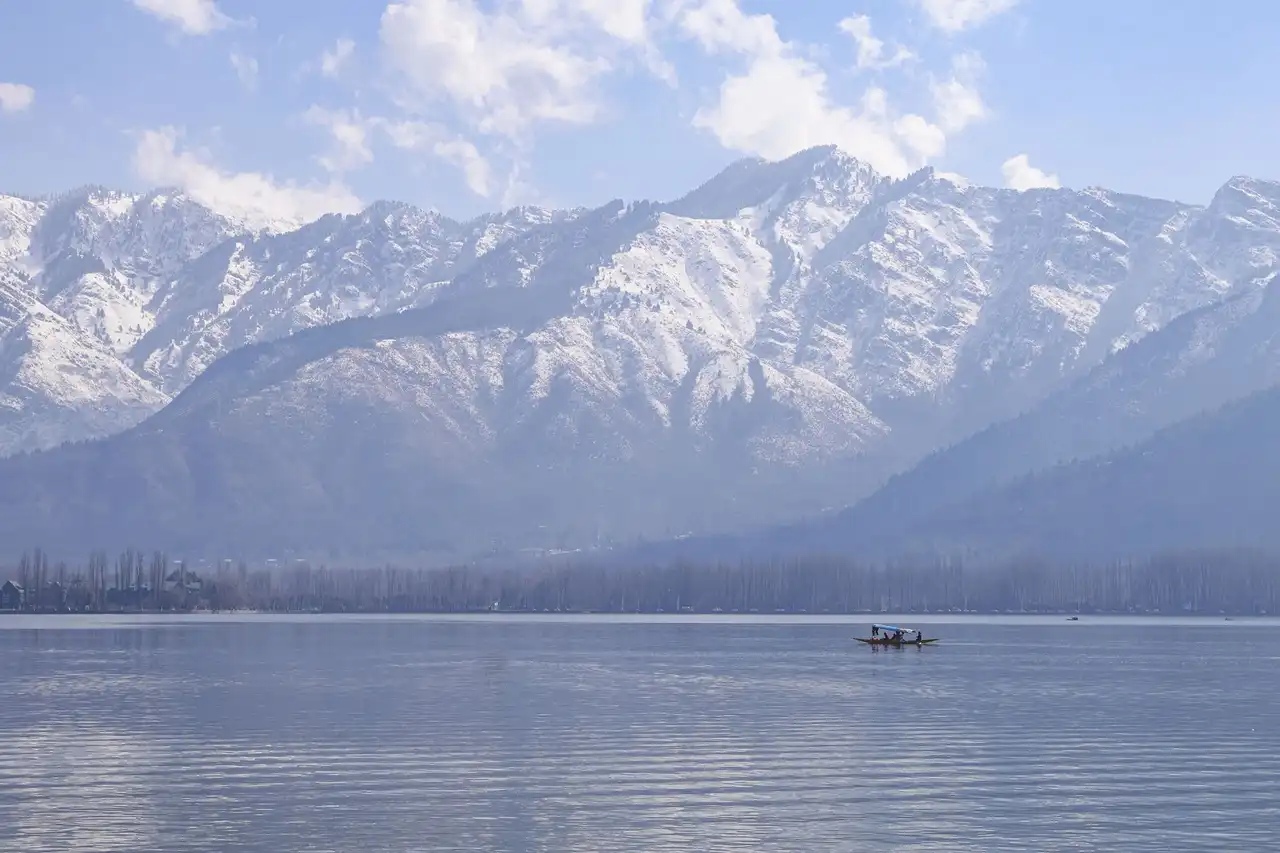
Kashmir
Up to 4,200 m2 journeys · from ₹27,900
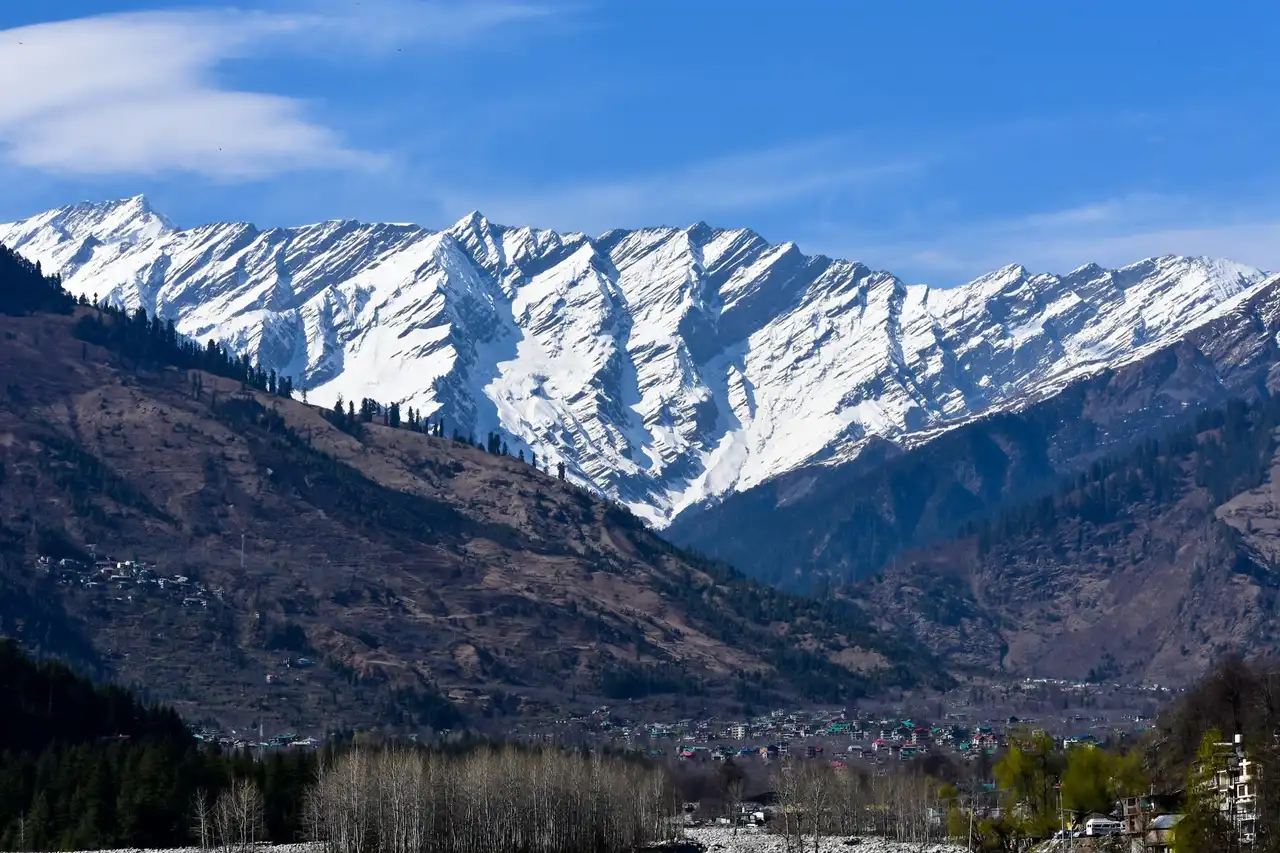
Himachal
Up to 4,270 m1 journey · from ₹18,900
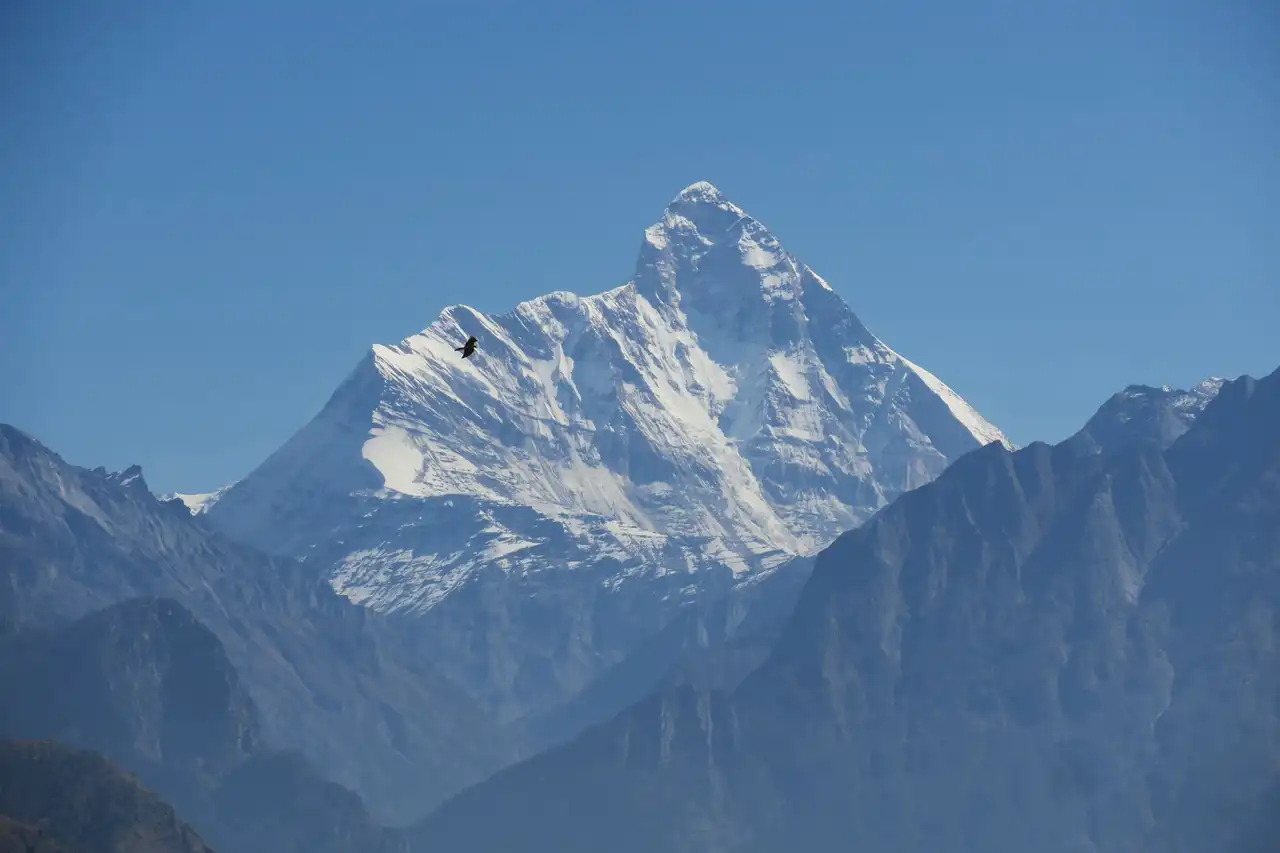
Uttarakhand
Up to 4,329 m3 journeys · from ₹14,900
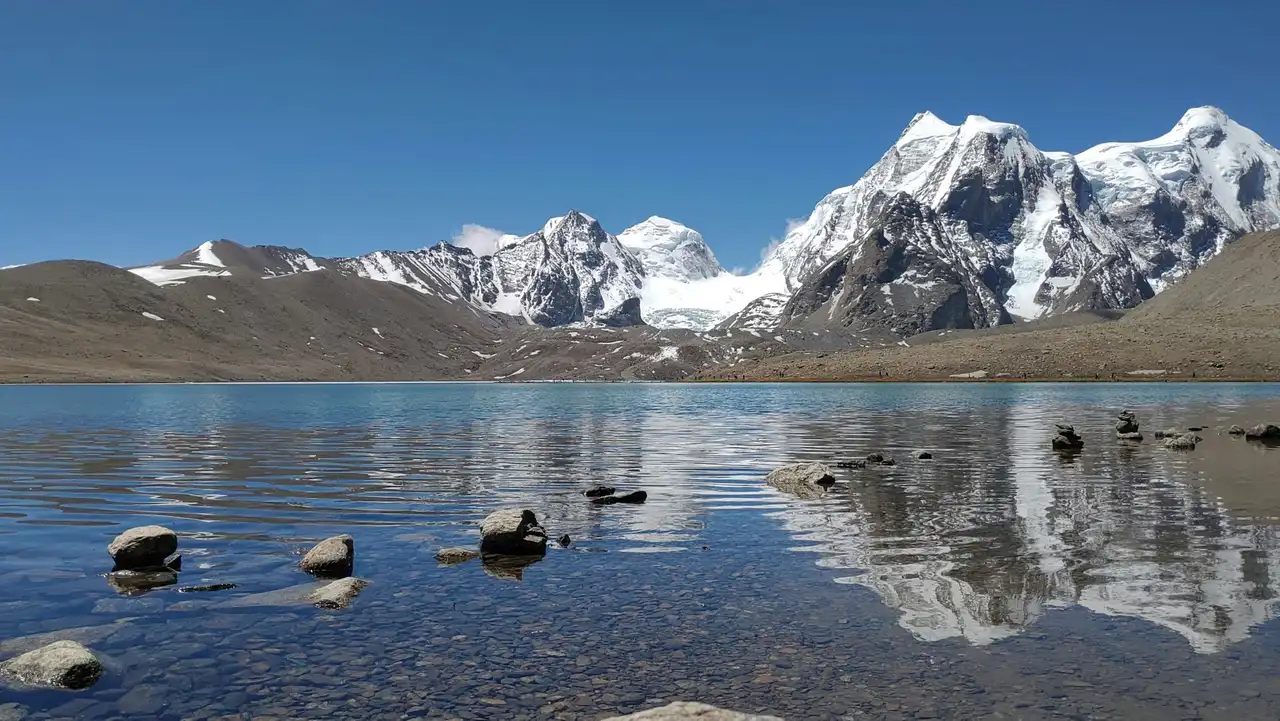
Sikkim
Up to 4,660 m1 journey · from ₹36,900
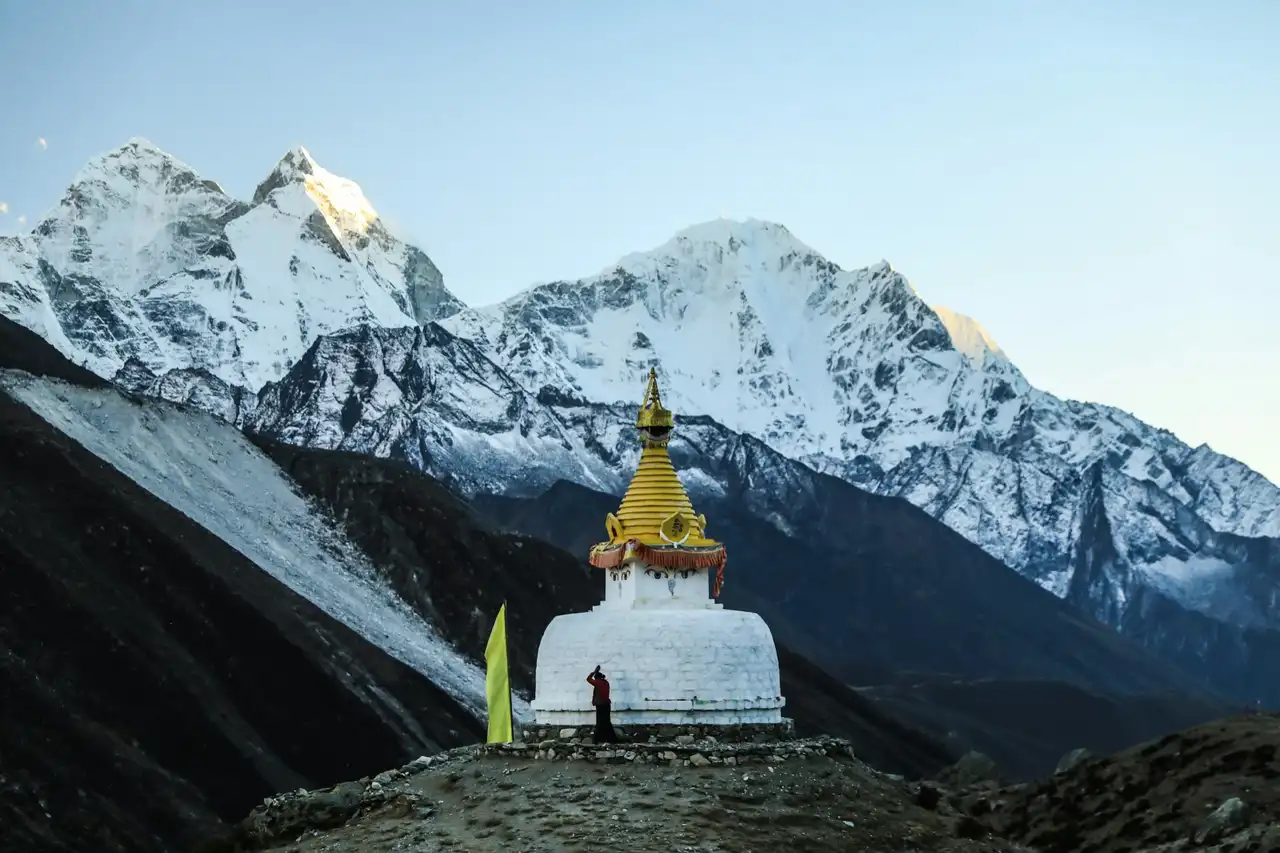
Nepal
Up to 5,545 m1 journey · from ₹1,04,900
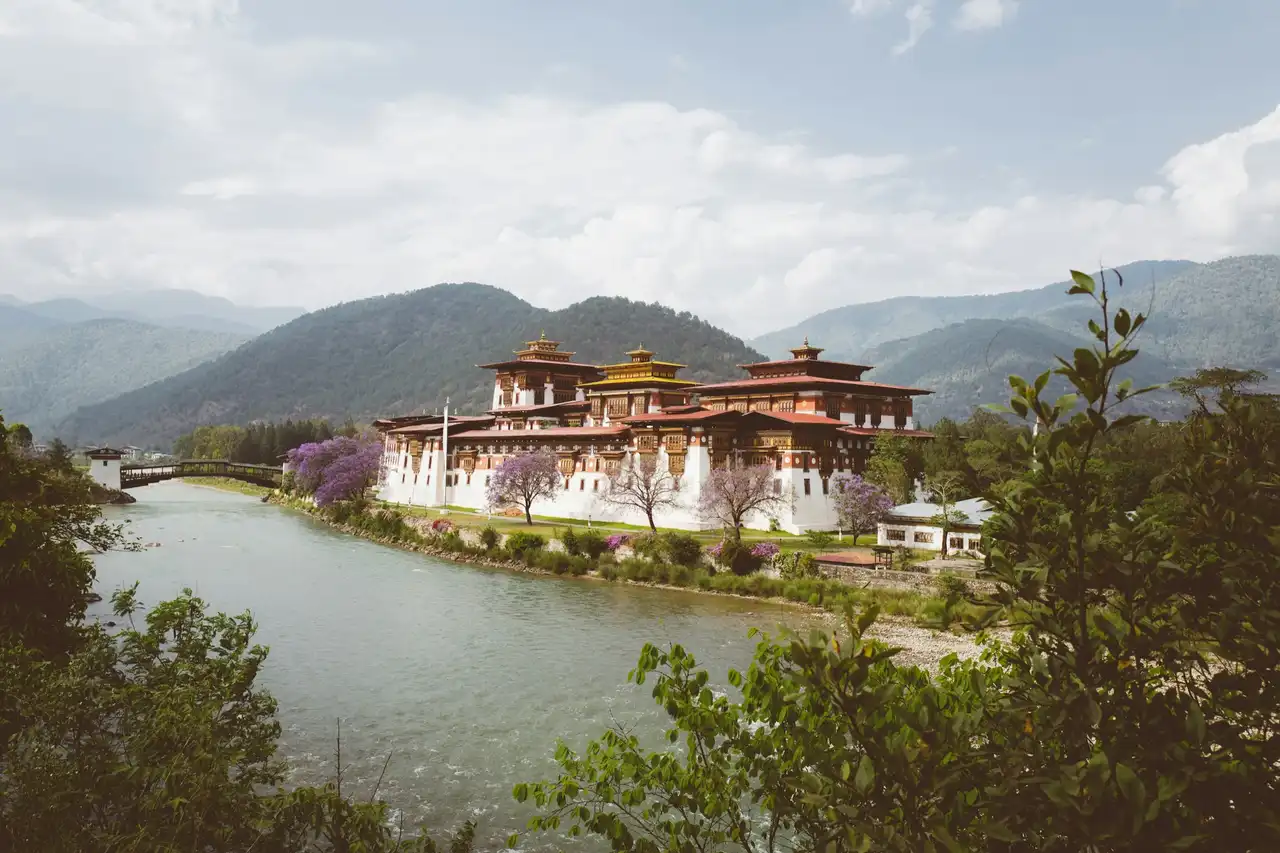
Bhutan
Up to 3,120 m1 journey · from ₹54,900


Travel your way
Pick the kind of journey you want and we’ll show you where it fits best.
Road trips
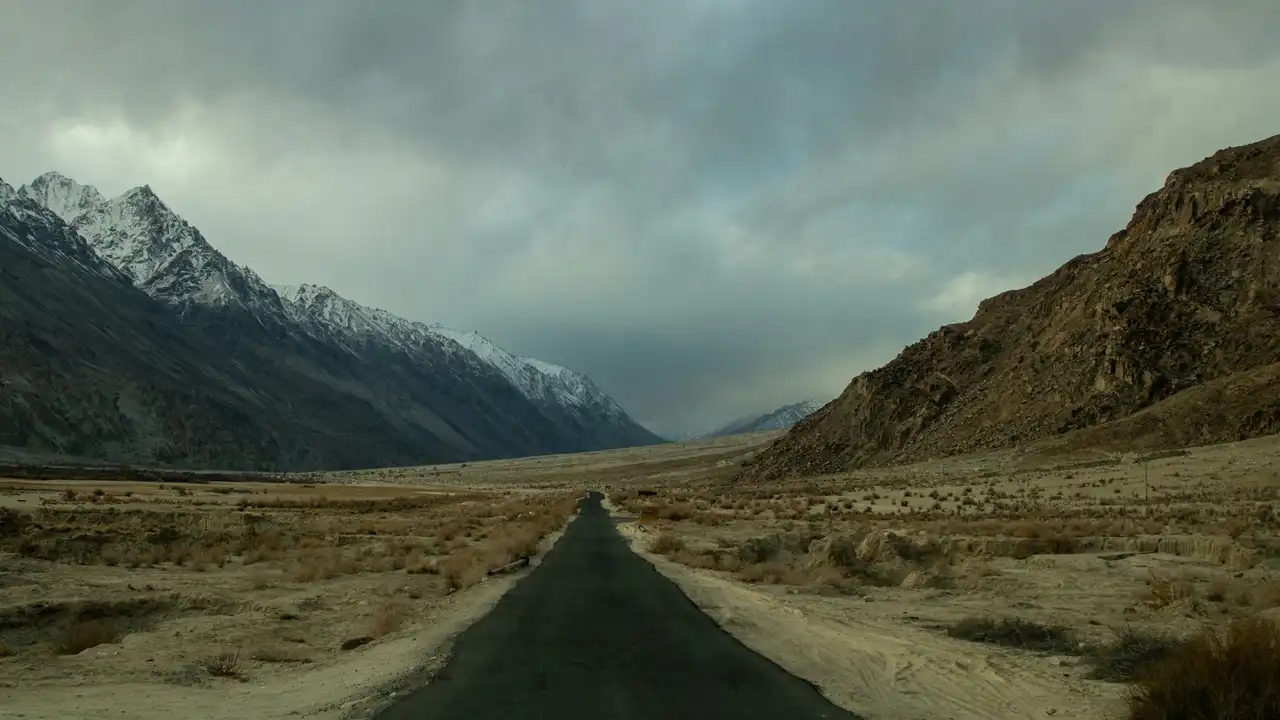
3 journeysHigh passes, river valleys and roads you will talk about for years.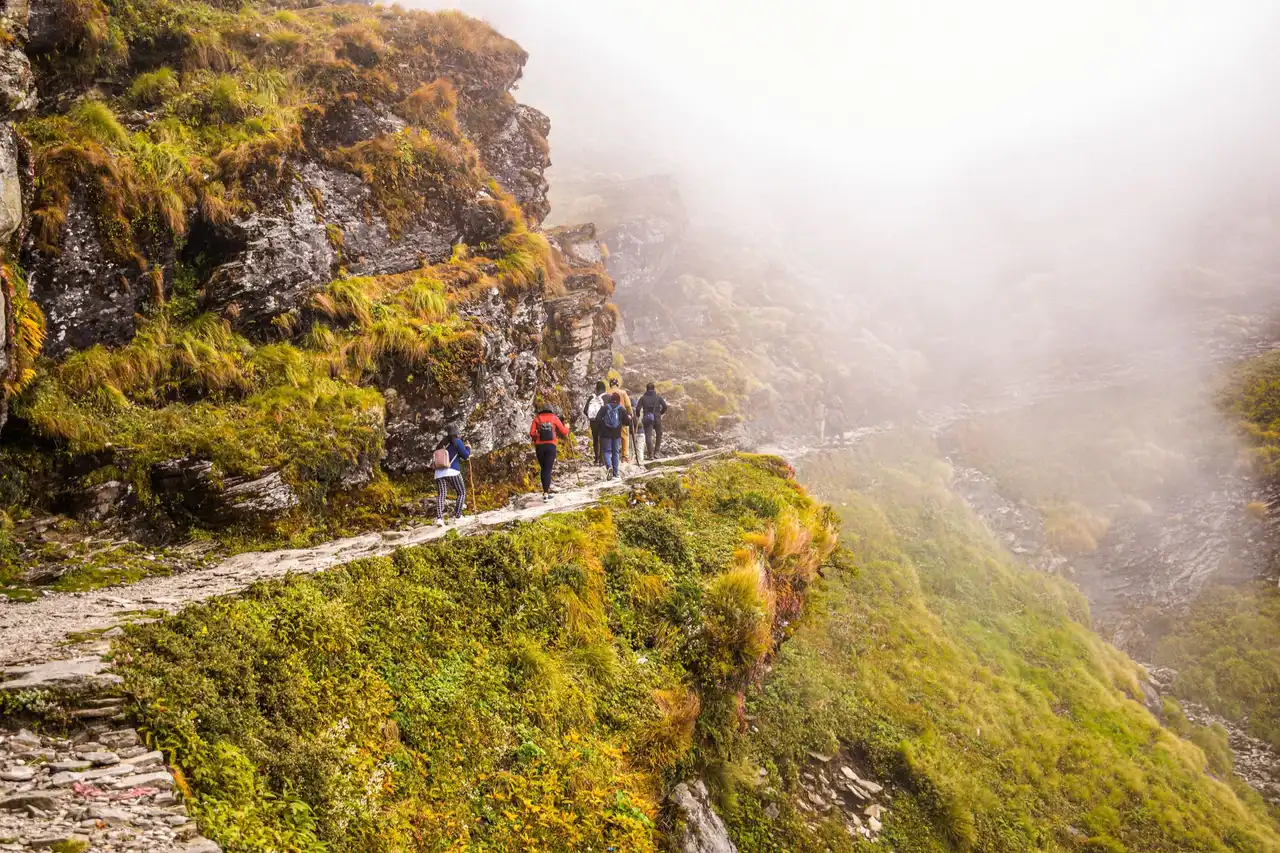
Treks
5 journeysFrom first snow treks to Everest Base Camp, paced for the altitude.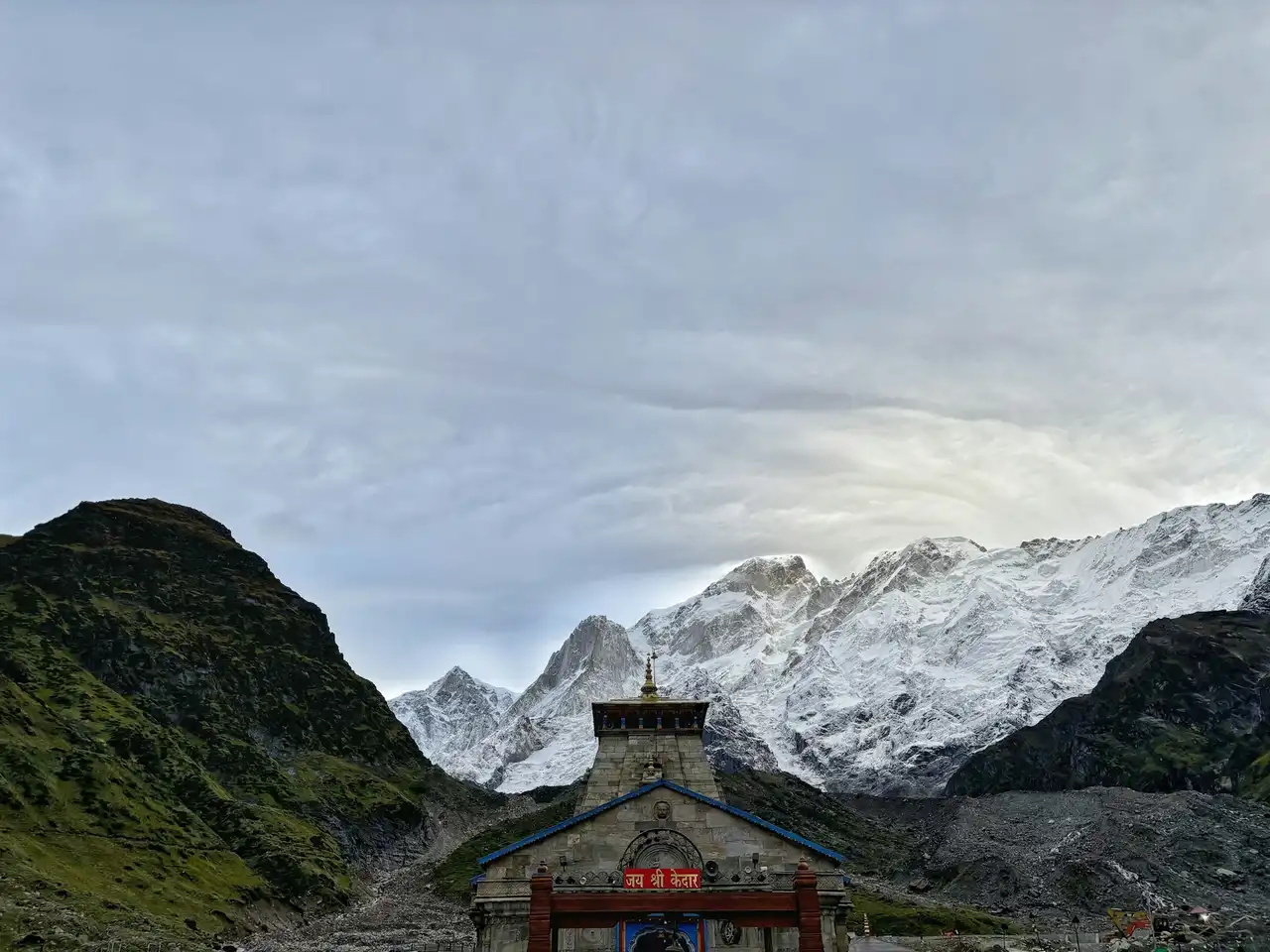
Pilgrimage
2 journeysChar Dham, Kedarnath and Hemkund Sahib, with the logistics handled.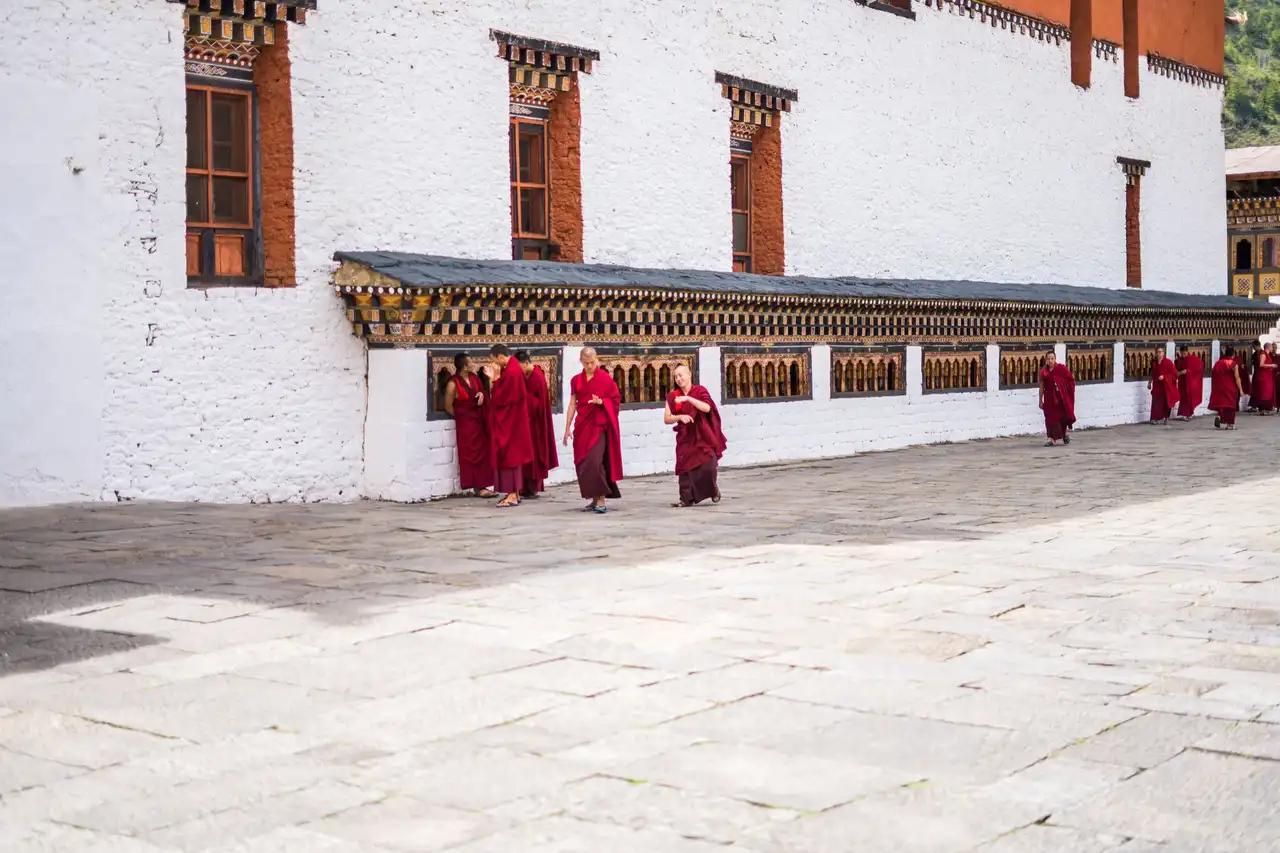
Culture
4 journeysMonasteries, dzongs, festivals and village homestays.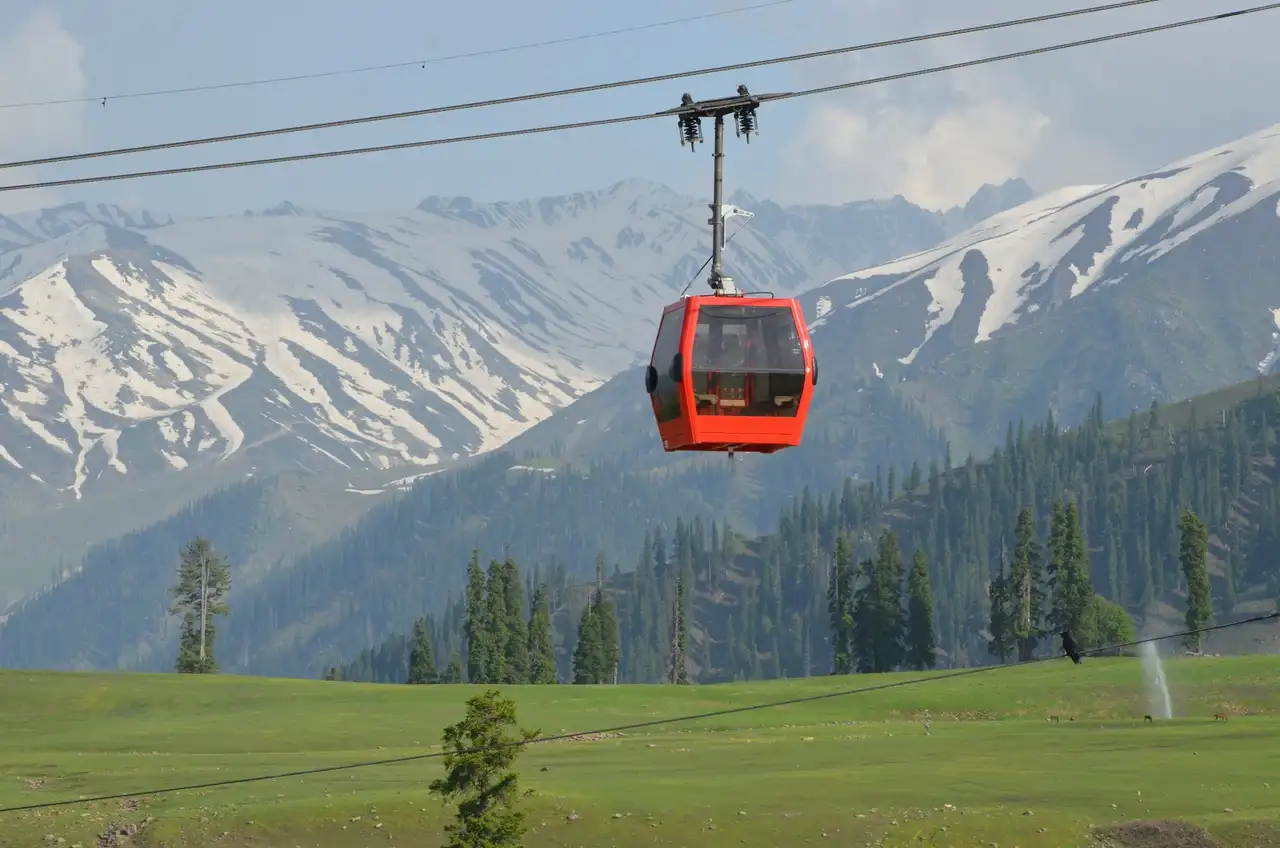
Family
5 journeysGentle days, short walks and no early starts.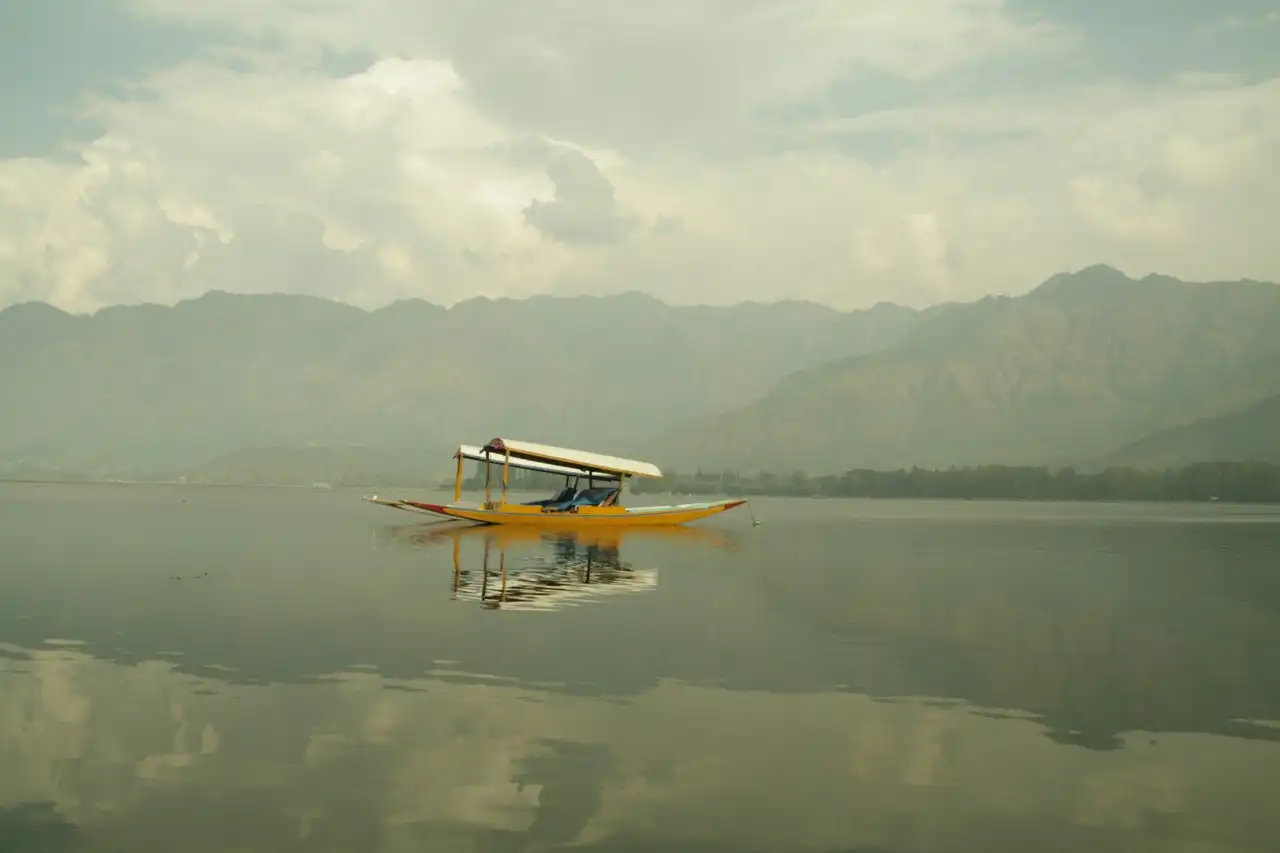
Honeymoon
3 journeysHouseboats, quiet valleys and stays chosen for two.


Journeys for every pace
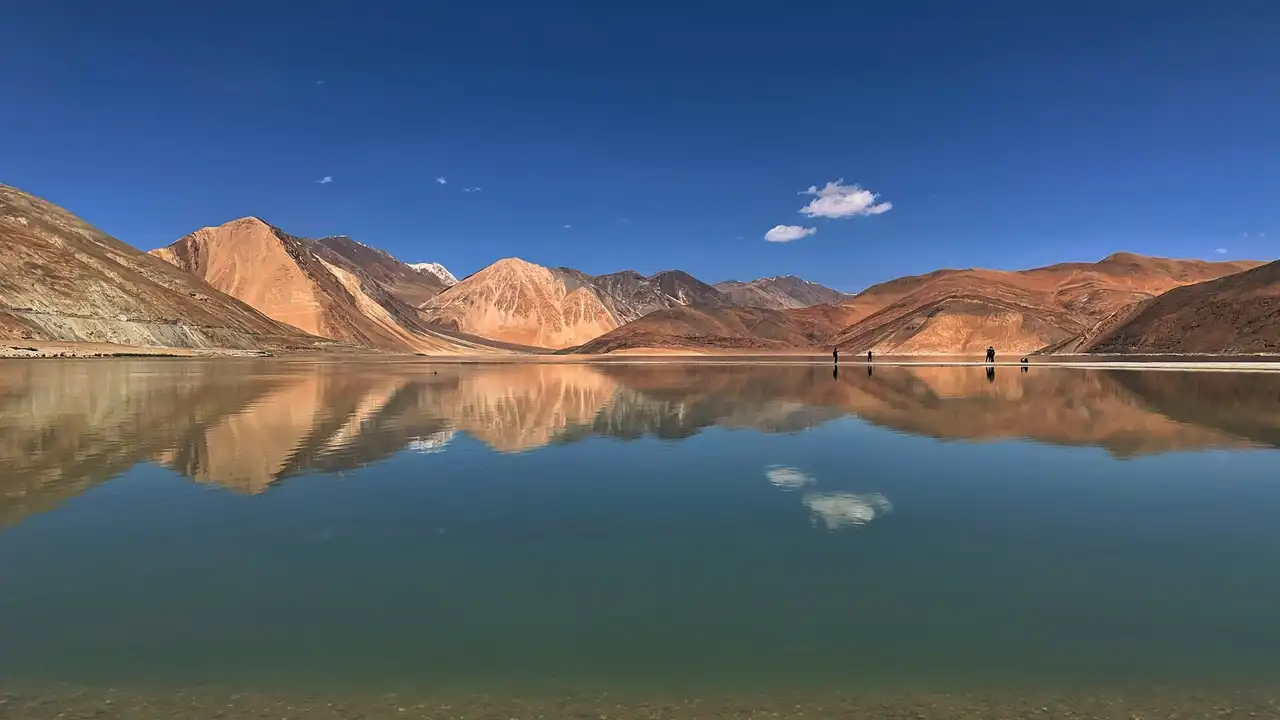 Ladakh8 daysEasy
Monasteries, Nubra and Pangong
From Leh · best May–Sep
Highest point Khardung La, 5,359 mfrom ₹42,900 per person
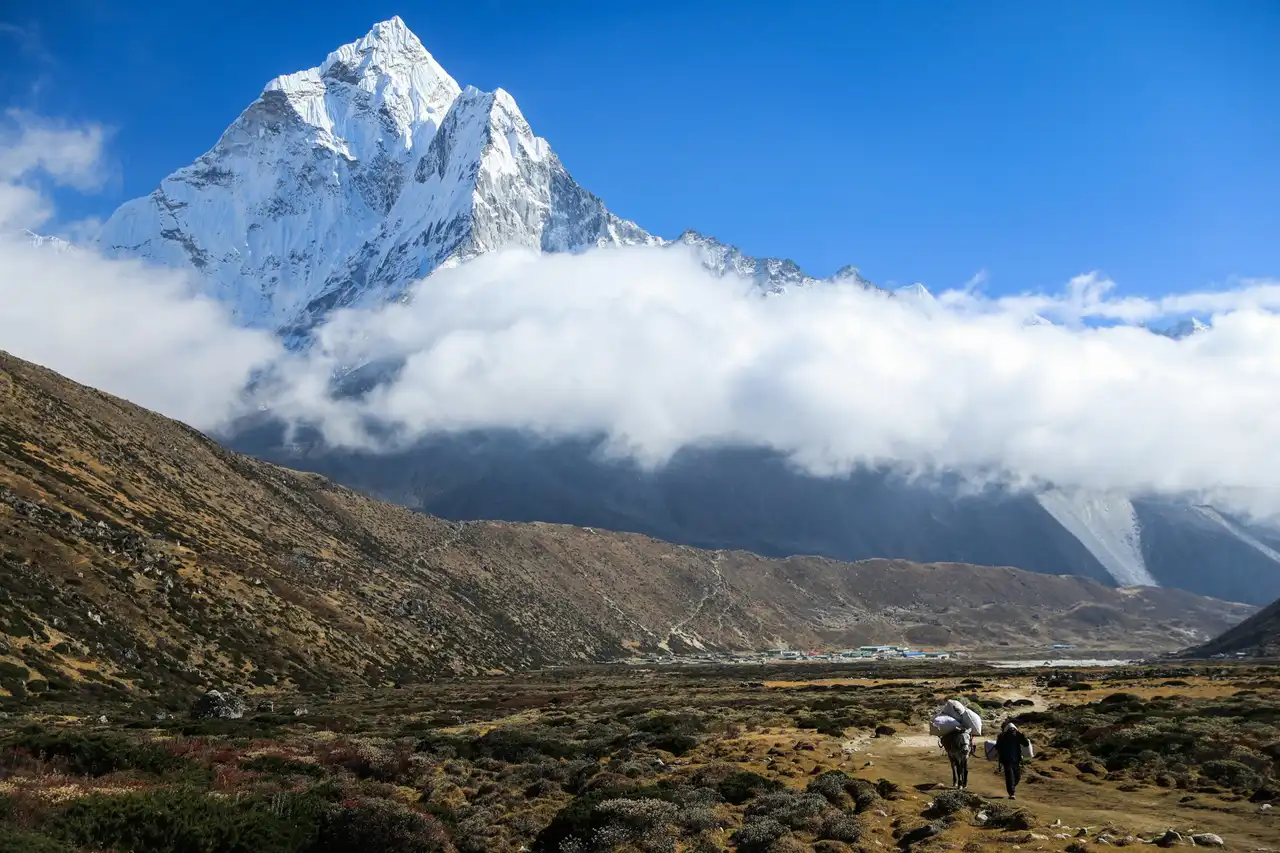 Nepal14 daysChallenging
Everest Base Camp, the gentle way
From Kathmandu · best Mar–May, Oct–Nov
Highest point Kala Patthar, 5,545 mfrom ₹1,04,900 per person
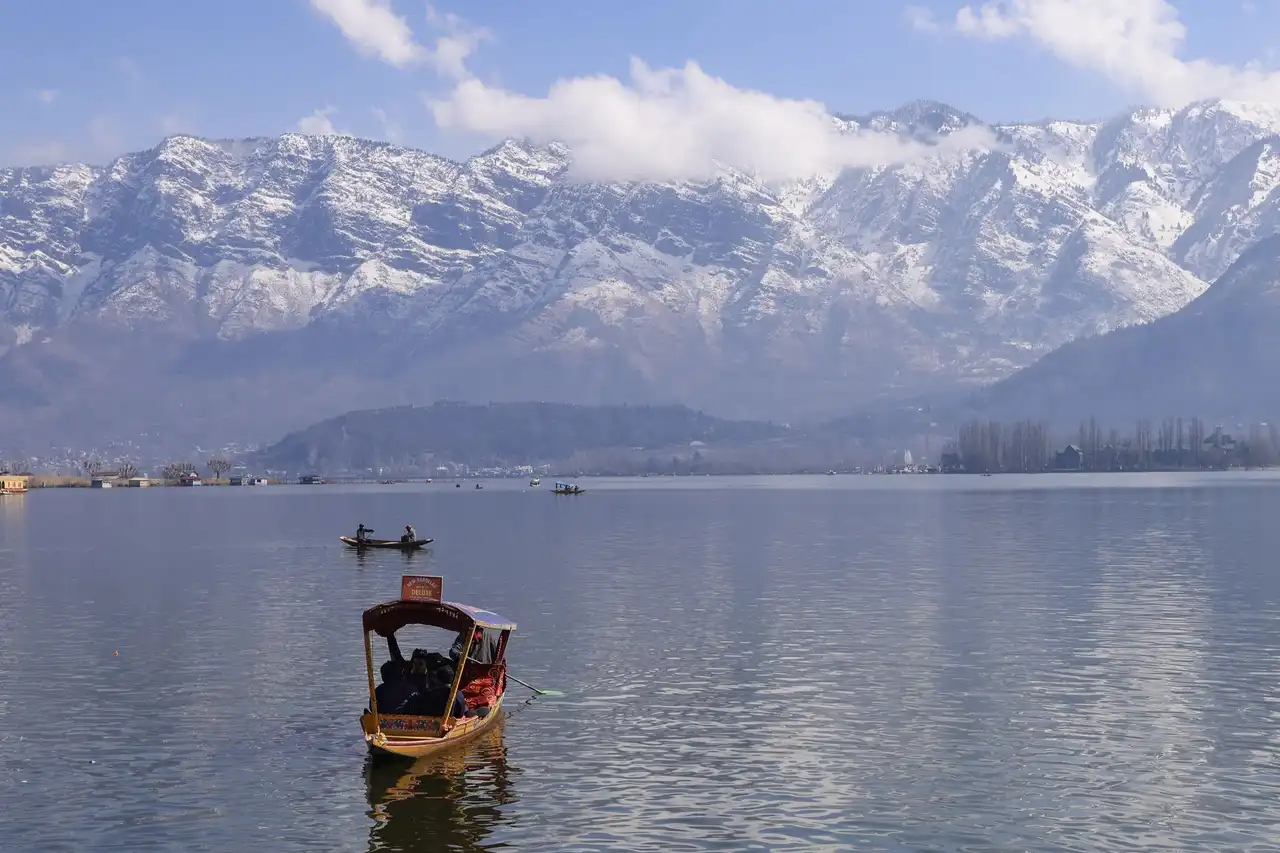 Kashmir7 daysEasy
Dal Lake, Gulmarg and Pahalgam
From Srinagar · best Sep–Jun
Highest point Apharwat, by gondola, 3,980 mfrom ₹34,900 per person
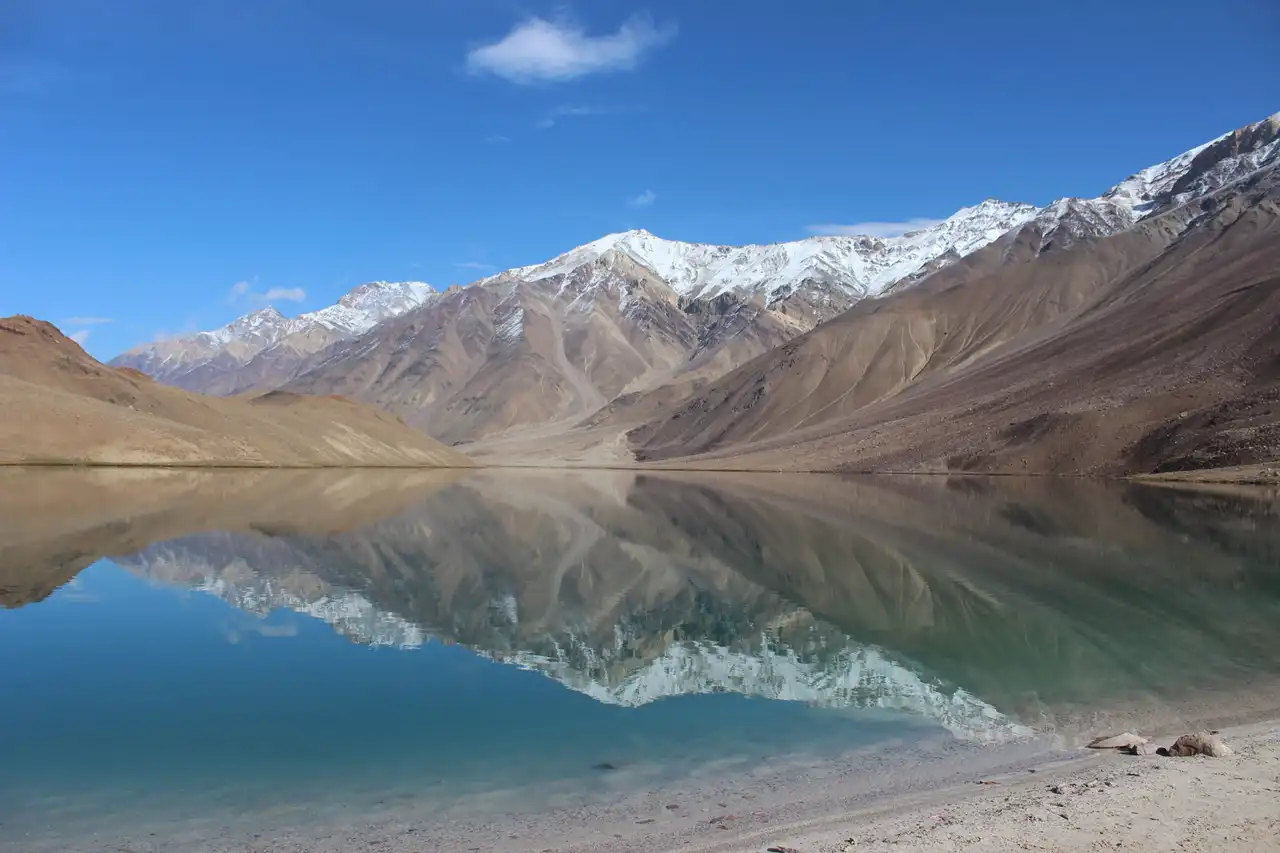 Spiti10 daysModerate
Spiti Circuit, Kinnaur to Chandratal
Shimla to Manali · best Jun–Oct
Highest point Komic, 4,587 mfrom ₹38,900 per person
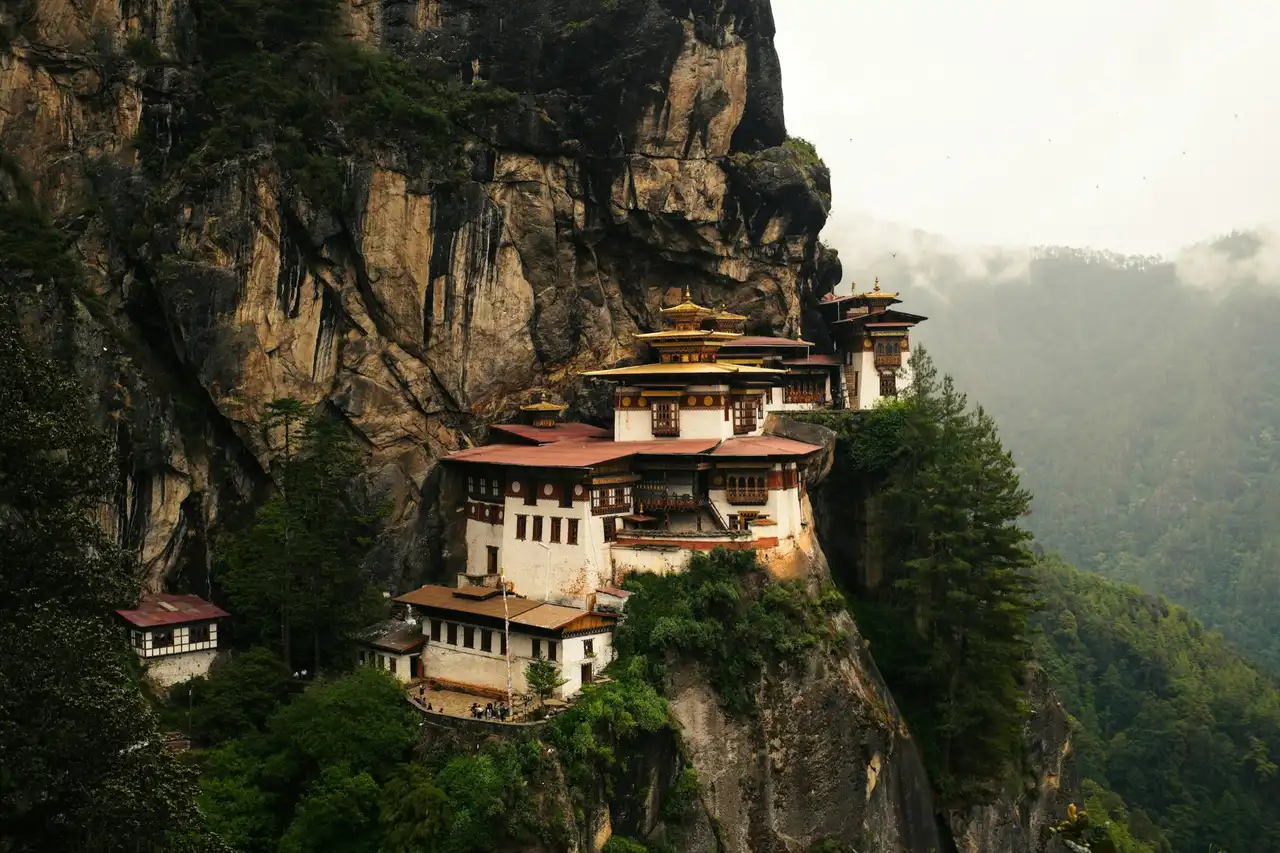 Bhutan7 daysEasy
Dzongs, Dochula and the Tiger’s Nest
From Paro · best Mar–May, Sep–Nov
Highest point Paro Taktsang, 3,120 mfrom ₹54,900 per person
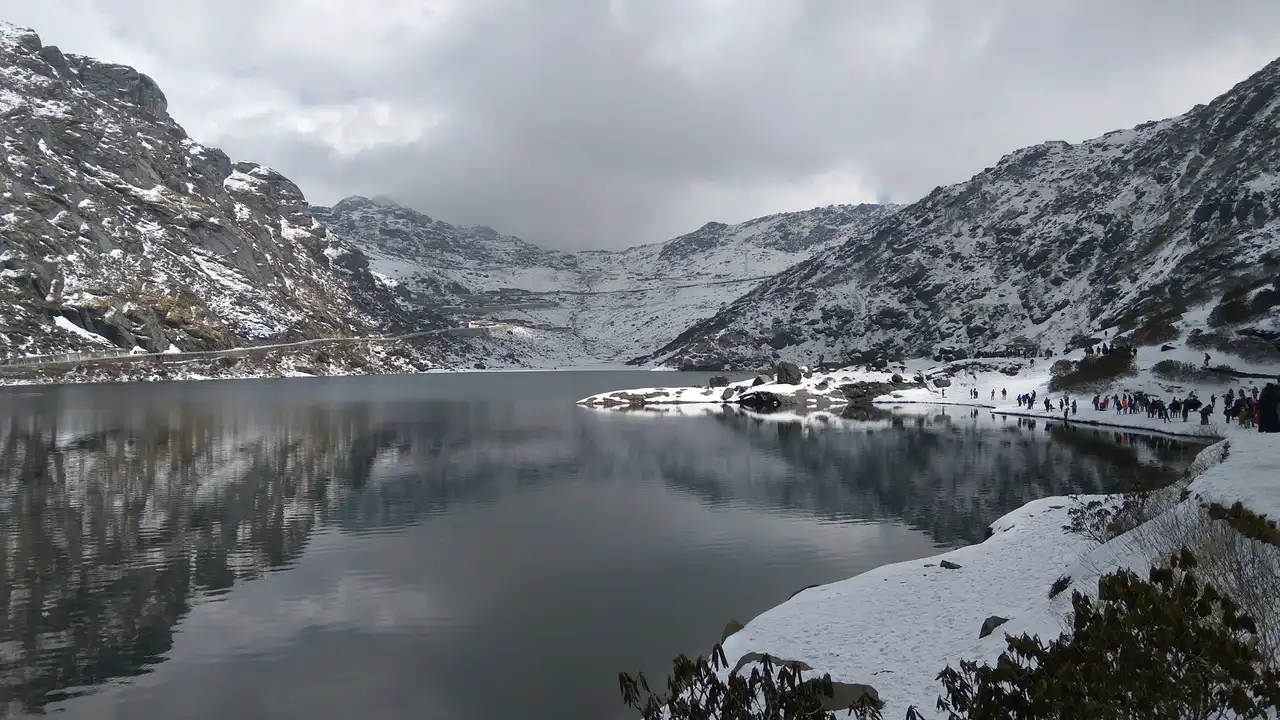 Sikkim8 daysEasy
Monasteries, lakes and North Sikkim
From Bagdogra · best Mar–May, Oct–Dec
Highest point Zero Point, 4,660 mfrom ₹36,900 per person


Signature journey
The Great Himalayan Traverse
12 days from Srinagar to Manali: the lakes of Kashmir, the monasteries of Ladakh and five high passes, driven in the direction that lets you acclimatise on the way up.
- Day 2Over Zoji La to Kargil, past the war memorial at Drass
- Day 3The moonland of Lamayuru on the road to Leh
- Day 7Pangong Tso, the highest night of the journey
- Day 9Tanglang La and Baralacha La on the way south
from ₹64,900 per person
Where to go in October
Every corner of the range has its season. Pick a month to see where the roads are open and the skies are clear.
- SpitiAt its bestCrisp mornings before winter
- KashmirAt its bestChinar trees turn red and gold
- HimachalAt its bestGolden orchards, sharp views
- UttarakhandAt its bestLast weeks of the yatra
- SikkimAt its bestClearest views of Kanchenjunga
- NepalAt its bestPeak trekking season
- BhutanAt its bestClear skies after the rains
- LadakhGood to goCold, quiet and golden
Why travel with us
Paced for the altitude
We raise your sleeping height slowly and add rest days before the big passes, so you enjoy the views instead of fighting a headache.
Your group, or just you
Travel privately on the dates you choose, or with a small group of no more than twelve.
The paperwork, done
Inner Line and Protected Area permits, Ladakh’s environment fee and Bhutan’s entry permit, arranged before you arrive.
People who know the roads
Experienced mountain drivers and certified trek leaders, many of them from the valleys you are travelling through.
Ready for the mountains
Road-trip vehicles carry oxygen, a pulse oximeter and a first-aid kit, and every itinerary keeps a spare day for closed roads.
A planner on call
One trip planner looks after your journey from the first email to the last day, and is a message away while you travel.
How a journey comes together
- 1
Write to us
Tell us where, when and how many of you. A rough idea is enough.
- 2
Plan it together
A trip planner drafts the route, stays and pace, and adjusts it with you.
- 3
Confirm your dates
We book the stays, vehicles, guides and permits.
- 4
Get ready
You get a packing list and an acclimatisation plan before you leave.
- 5
Go
Your driver or trek leader meets you on arrival. The rest is the mountains.
Moments from the mountains
The small things travellers remember long after the big views.
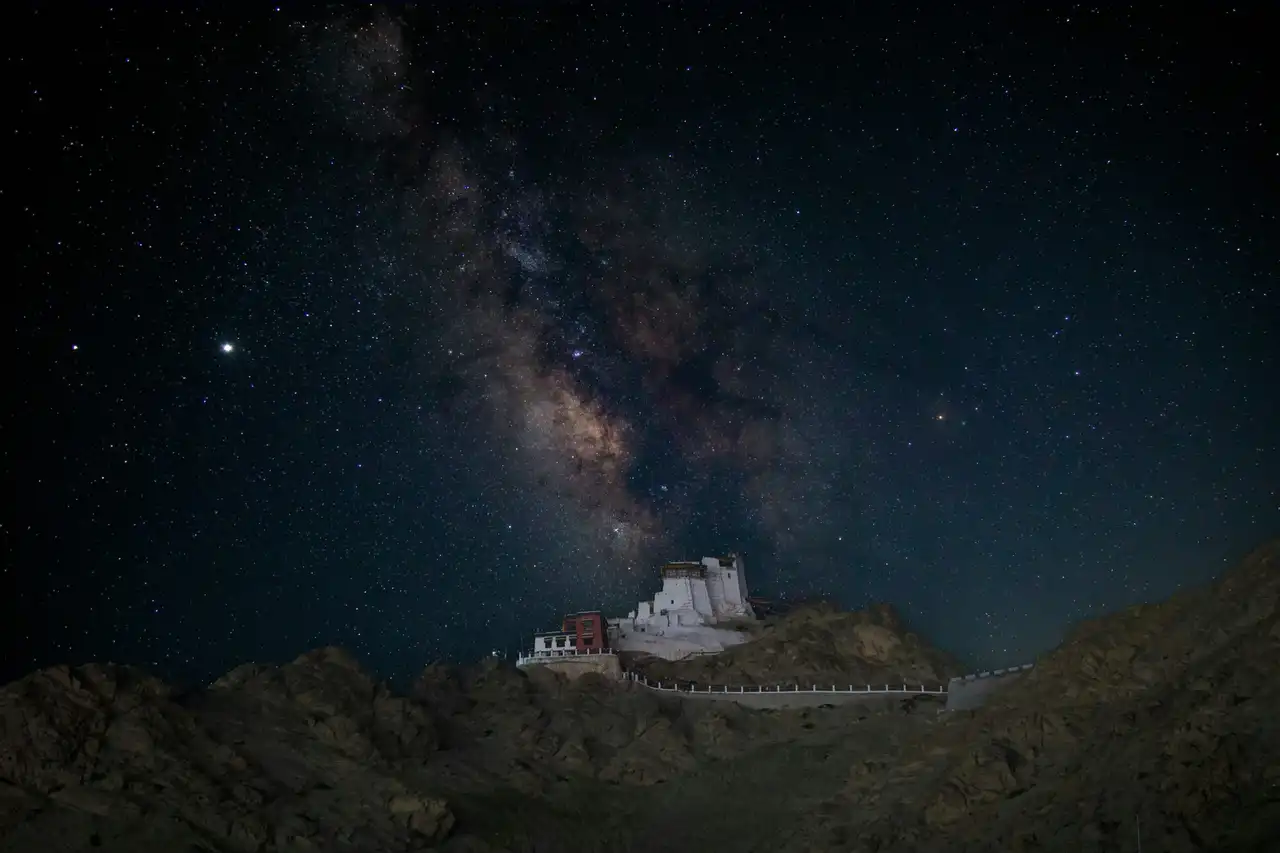
The Milky Way over Leh 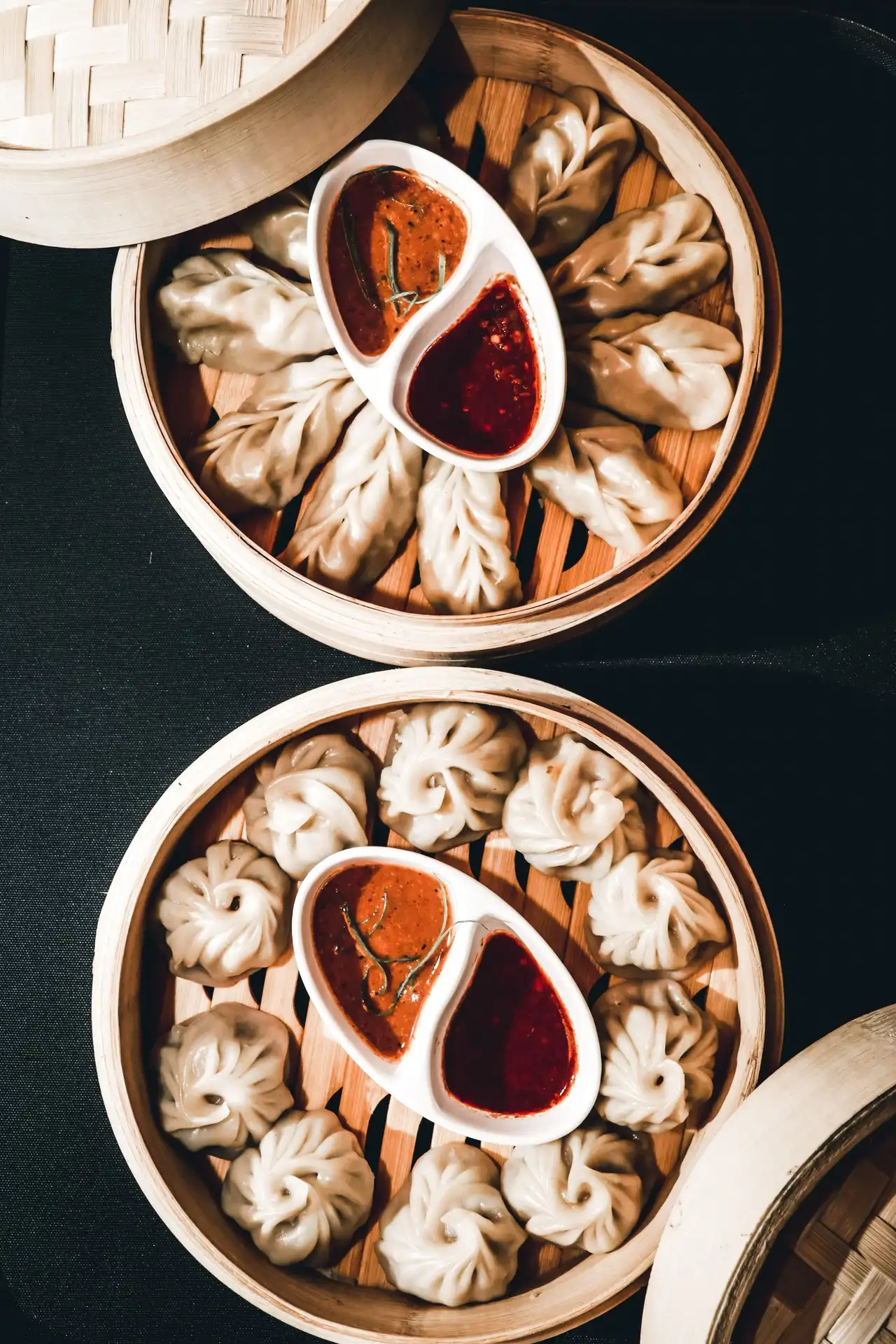
Momos, everywhere 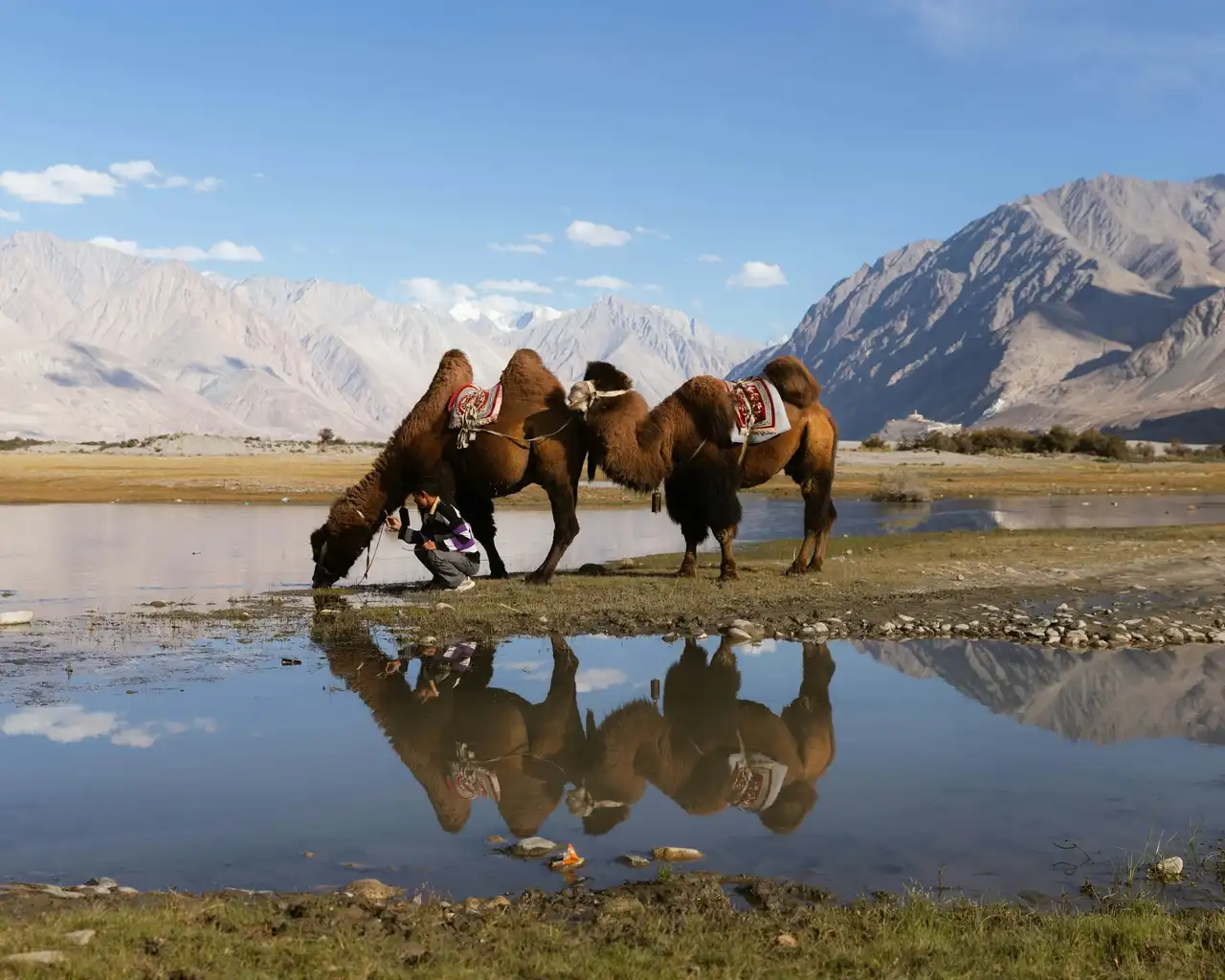
Bactrian camels at Hunder 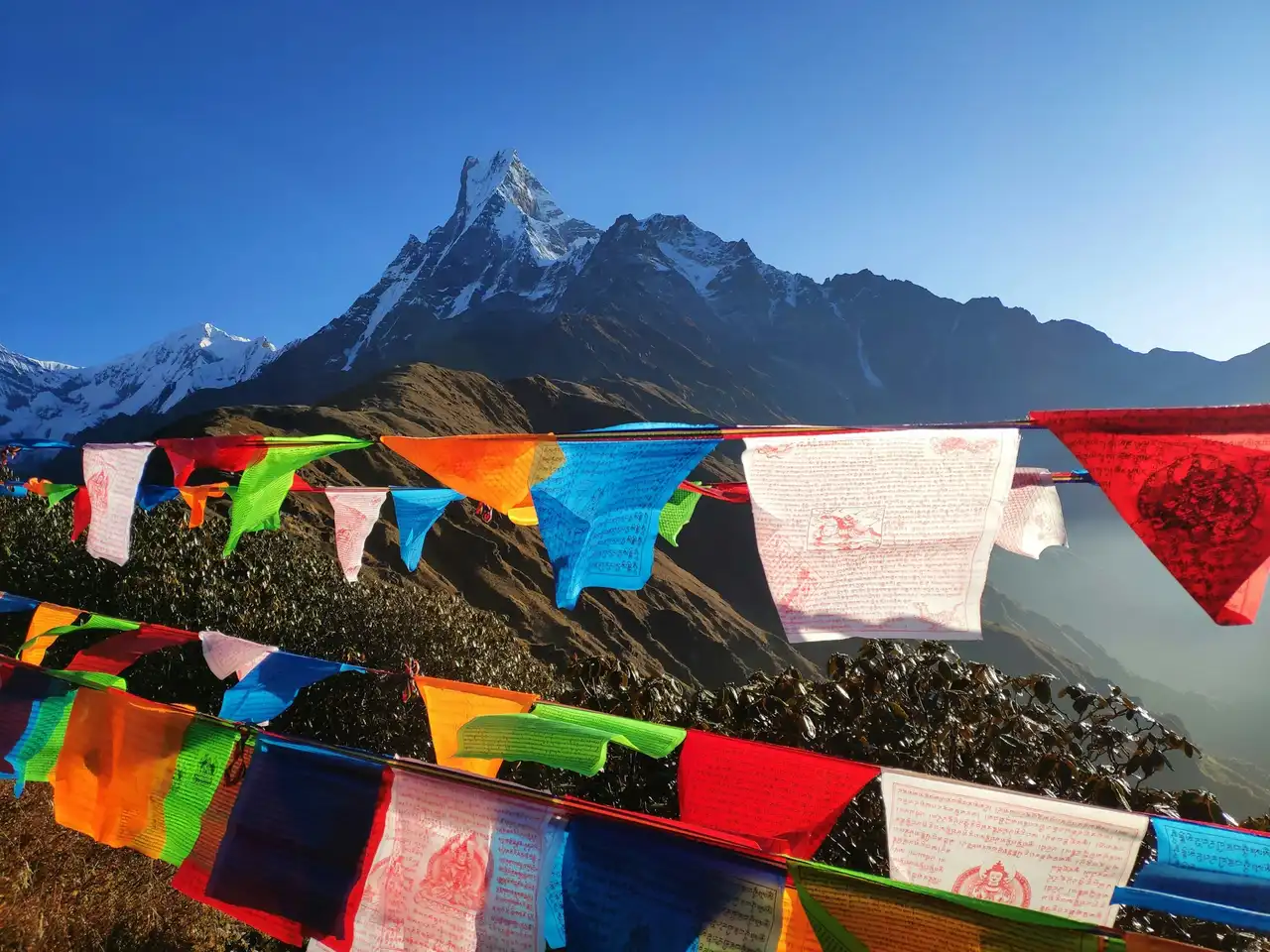
Prayer flags below Machhapuchhre 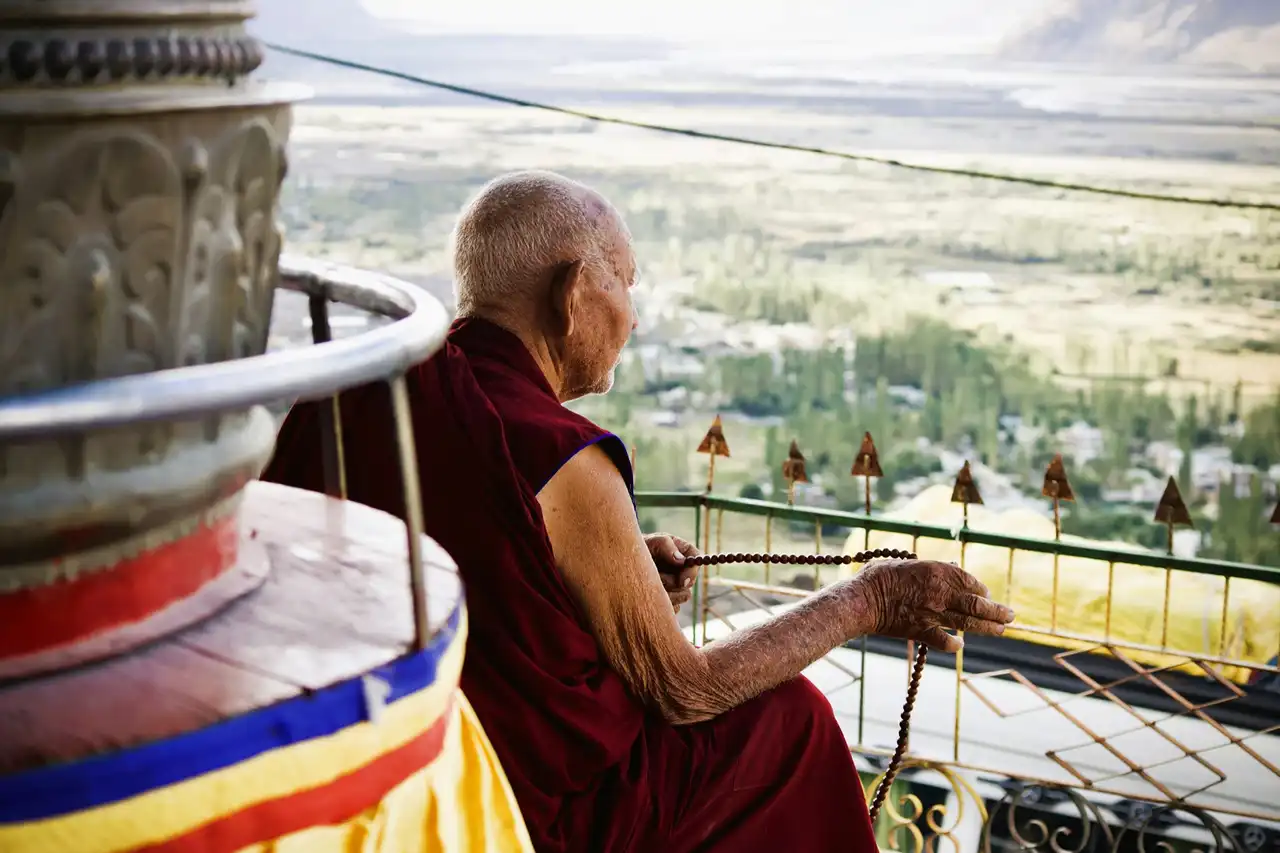
Diskit Monastery, Nubra 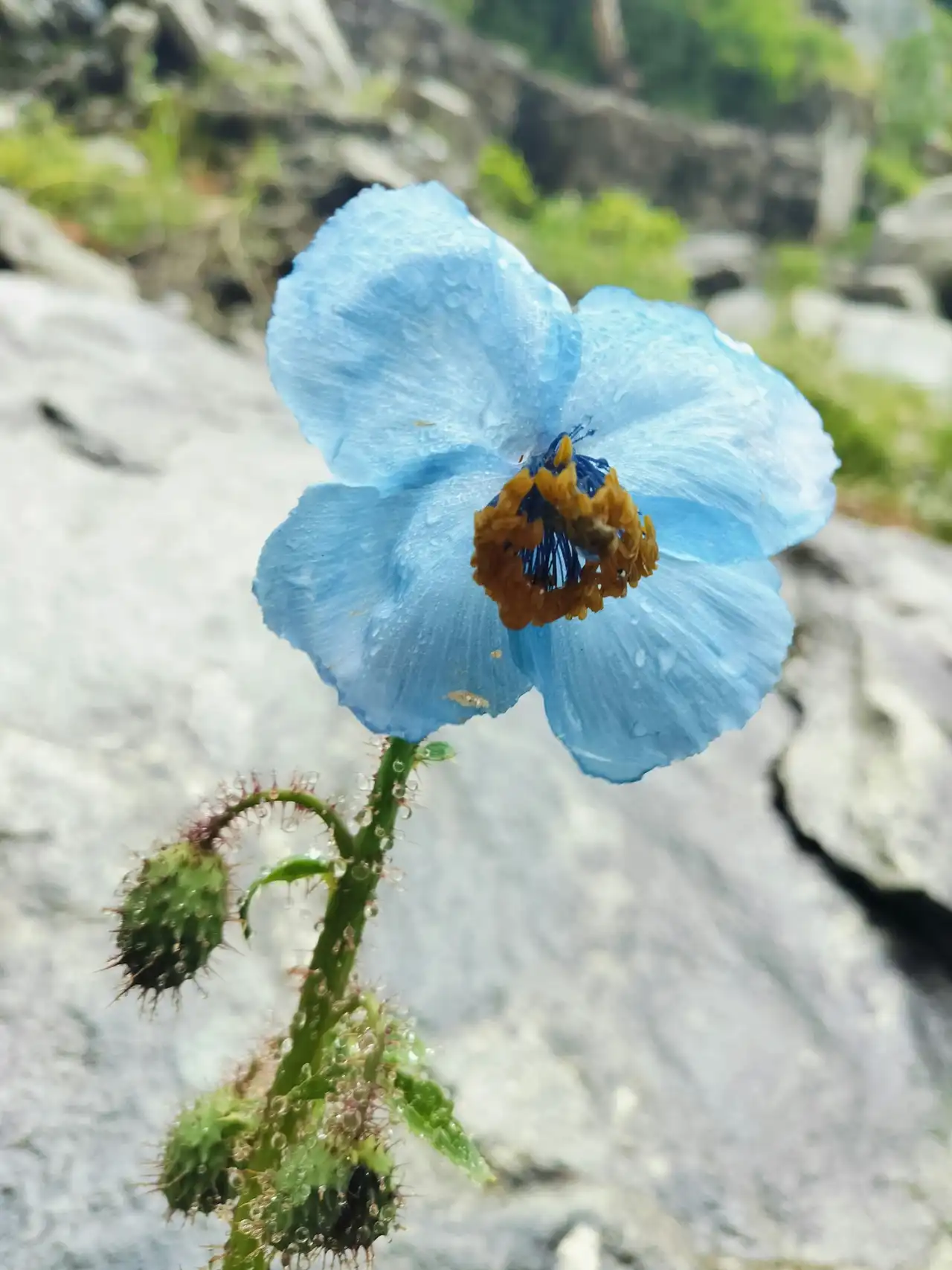
A blue poppy, Valley of Flowers 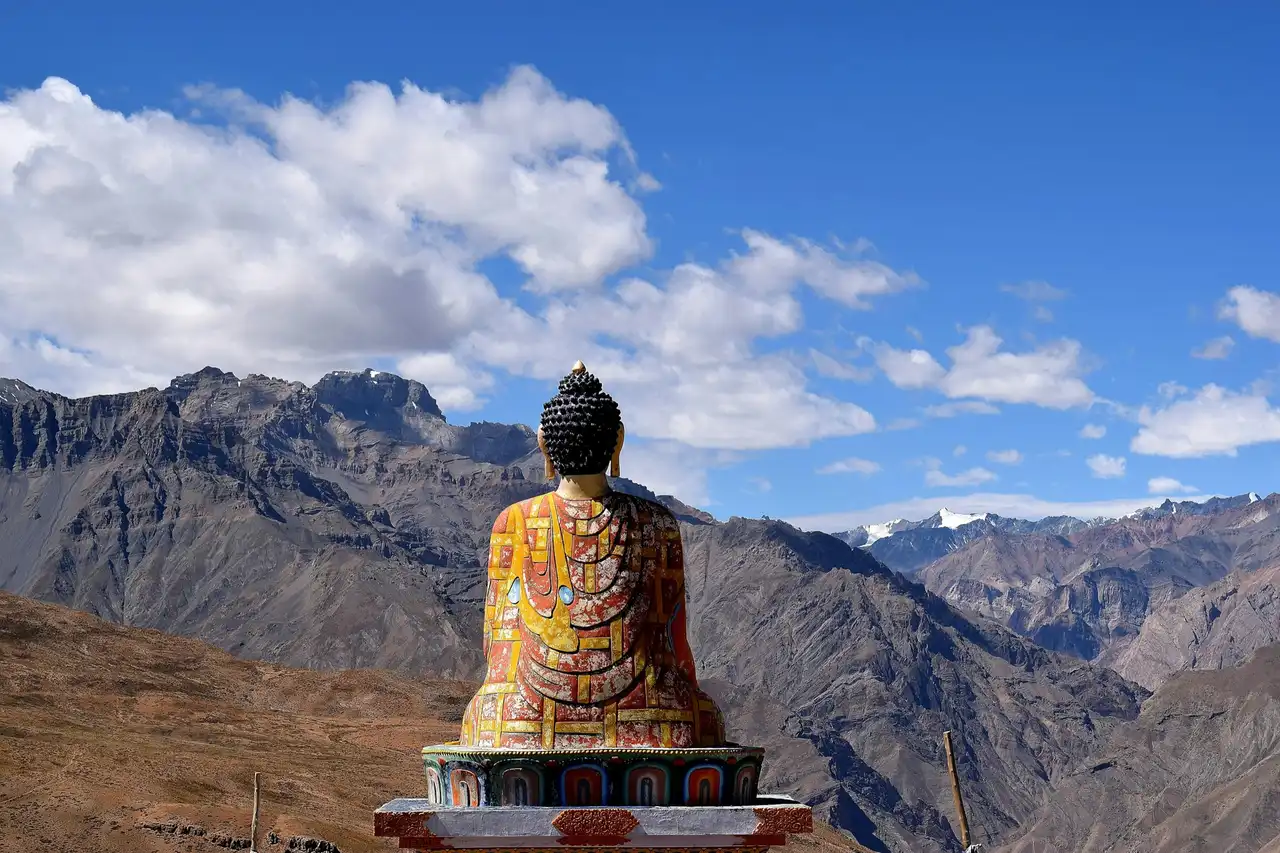
The Buddha at Langza, Spiti 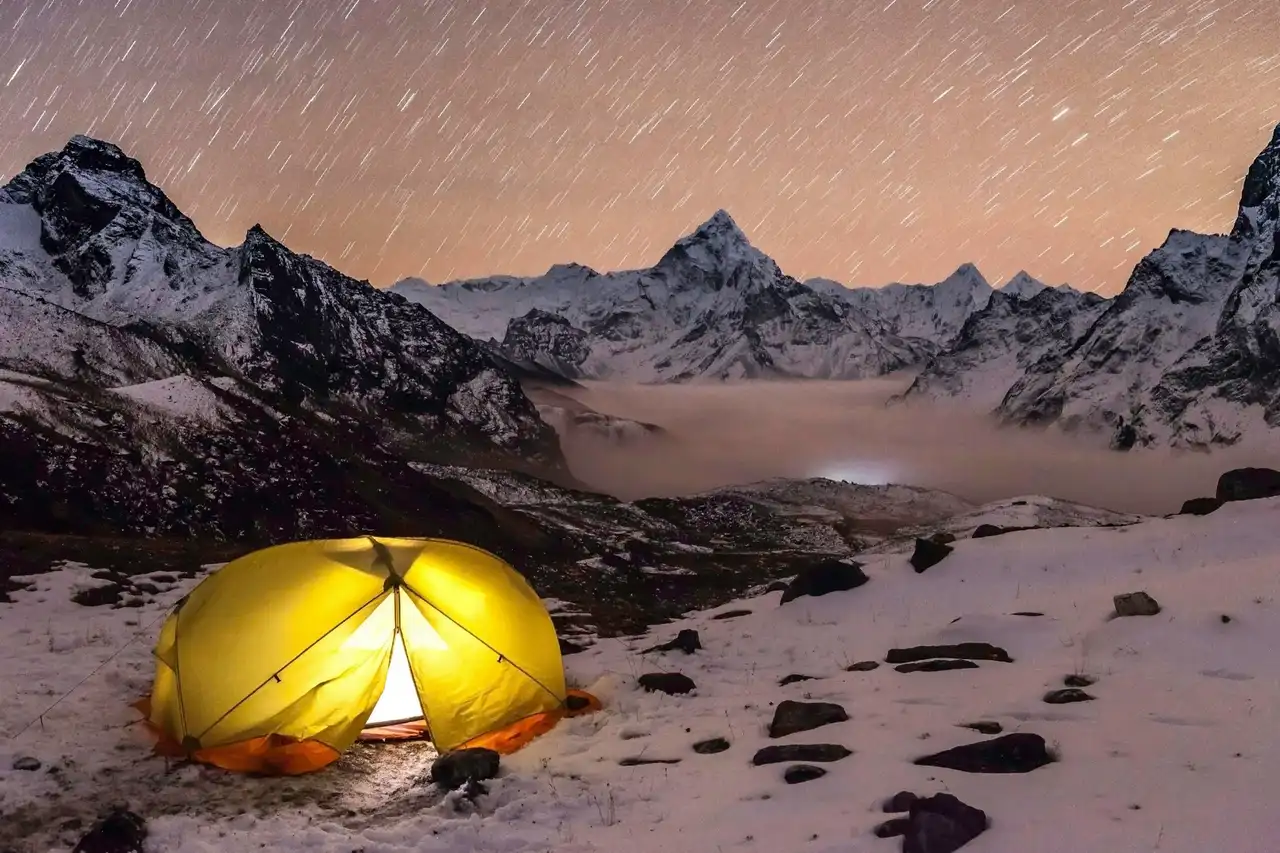
High camp, Khumbu 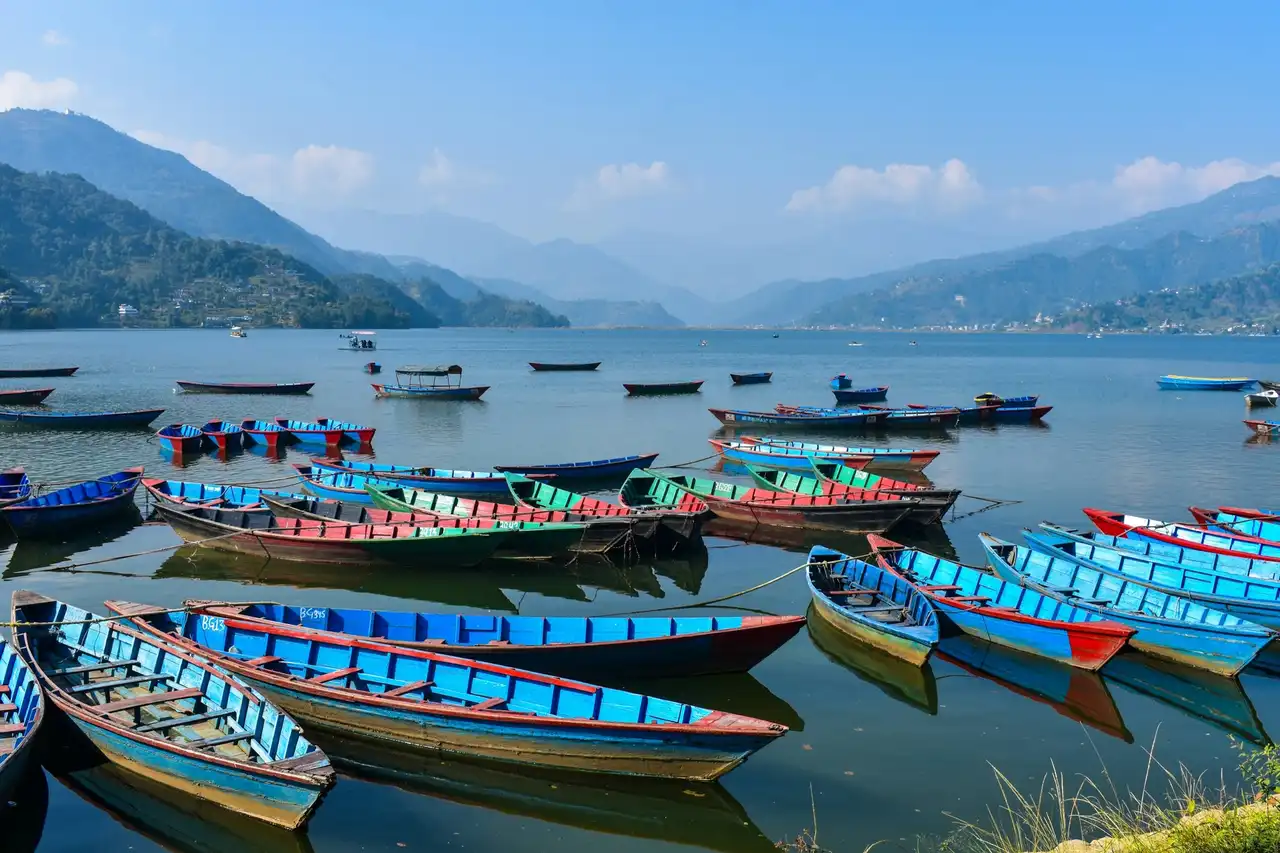
Phewa Lake, Pokhara 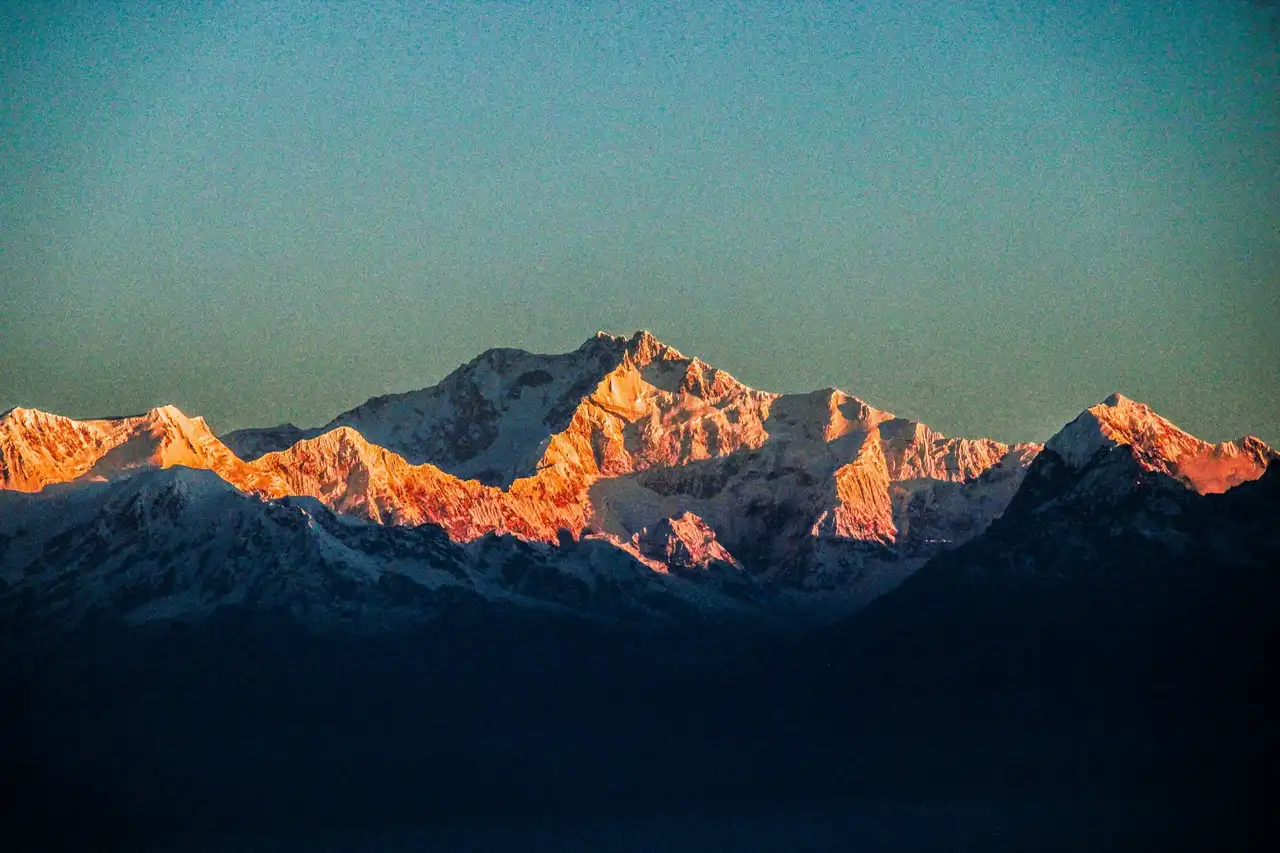
Kanchenjunga at golden hour


Before you go
Read the journal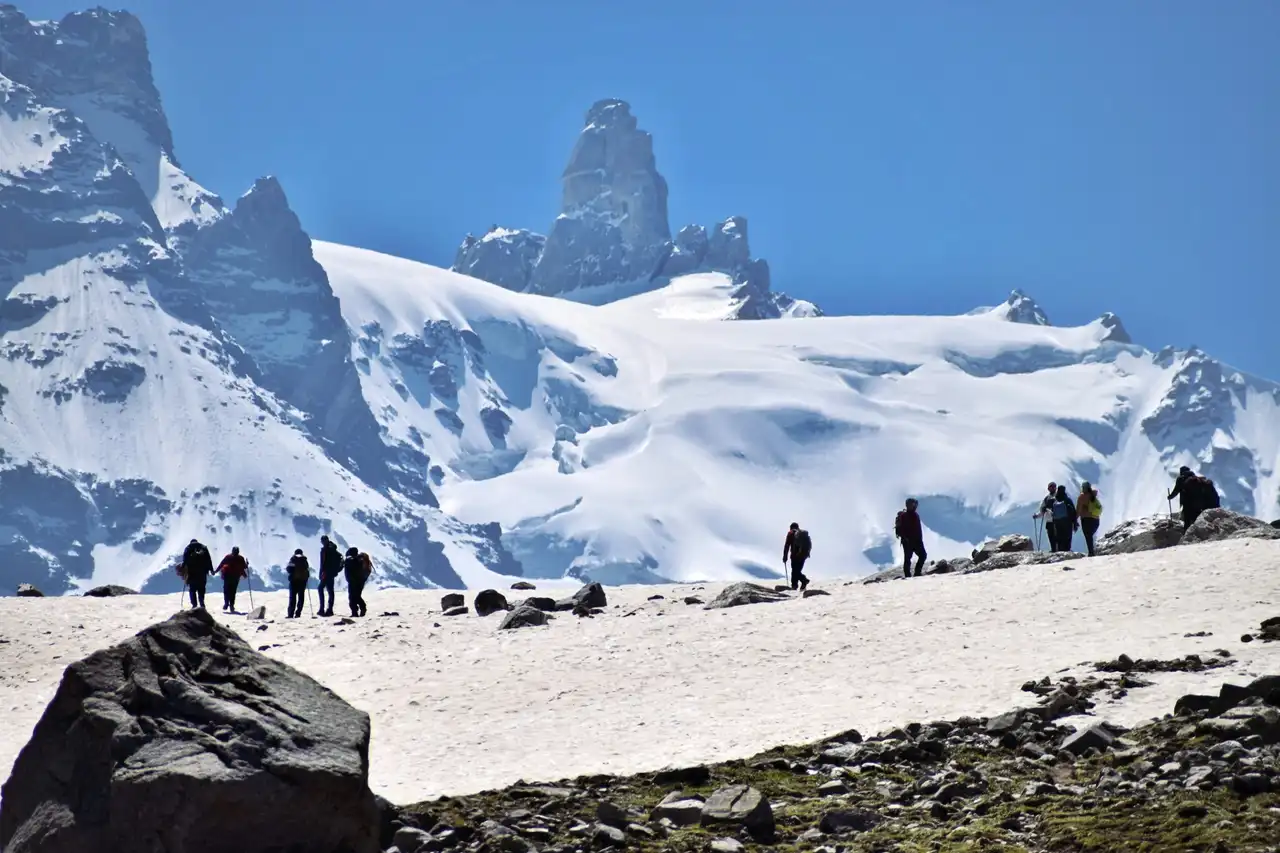
Altitude sickness in the Himalaya, explained simply
What acute mountain sickness is, who gets it, how to prevent it on a Ladakh, Spiti or Everest trip, and what to do if you feel unwell.
7 min read
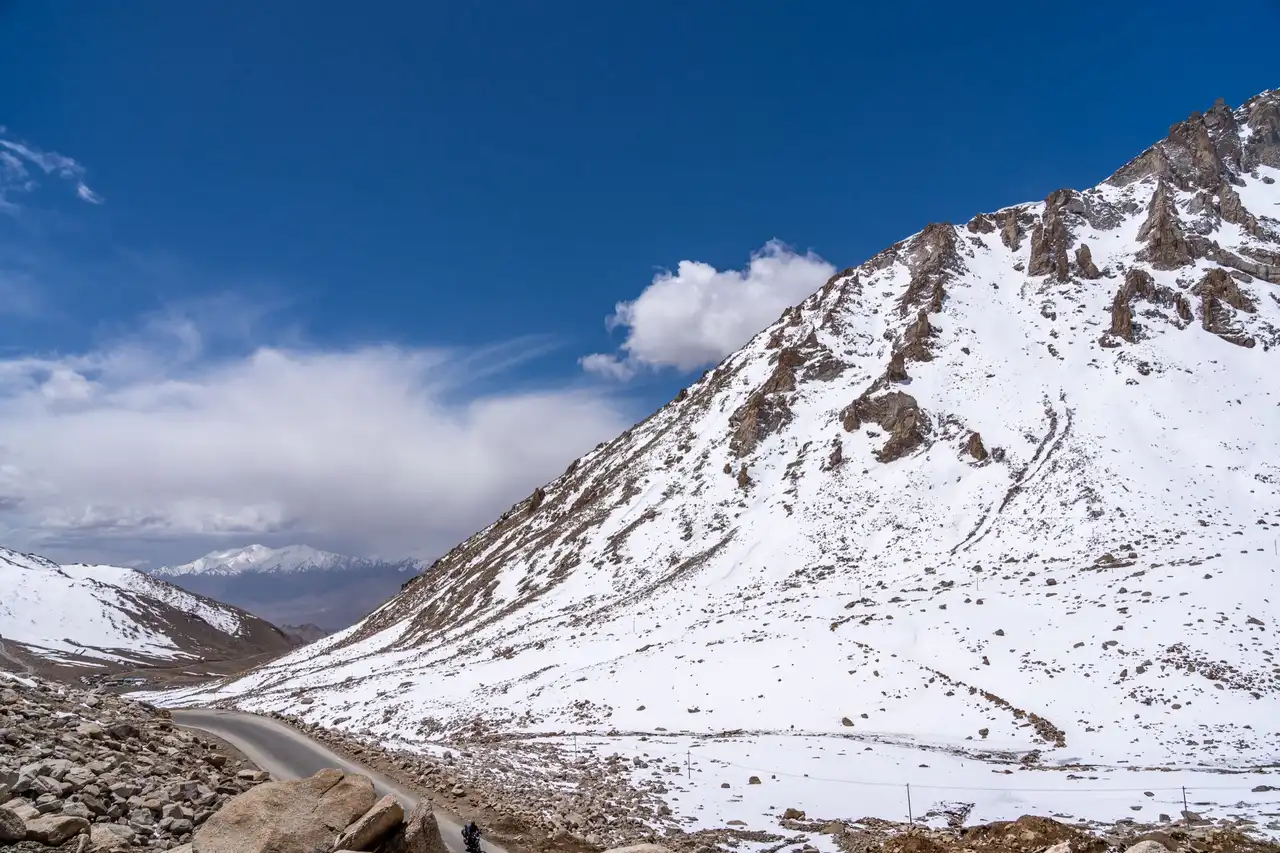
Manali–Leh or Srinagar–Leh: which road to Ladakh?
The two roads into Ladakh compared: opening months, altitude, distances, road conditions and the best way to combine them.
6 min read
Bhutan for Indian travellers: fees, permits and a 7-day plan
The Sustainable Development Fee for Indians, the documents you need, how to get there, what to wear and a simple week-long route.
6 min read


Questions we hear most
Anything else, just ask. We reply to every email.
How do I book a journey?
Write to us through the contact page or by email with the region, the month and how many of you are travelling. A trip planner replies with a draft itinerary and a price, and once you are happy we confirm your dates and book everything.
Can I change an itinerary or travel privately?
Yes. Every journey can run privately on the dates you choose, and we can lengthen it, slow it down or change the stays. Small-group departures are capped at twelve people.
Are flights included in the price?
Most journeys start and end at the nearest airport or railway station, so flights and trains are not included. The Everest Base Camp trek includes the Lukla flights. We are happy to suggest the best connections.
How do you deal with altitude sickness?
Every itinerary raises your sleeping height slowly, with rest days before the high passes. Our road-trip vehicles carry oxygen and a pulse oximeter, and our guides know when to turn back. Read our altitude sickness guide before you travel.
Do I need permits?
Some regions need them: Ladakh’s environment fee, Sikkim’s protected area permits, Inner Line Permits for foreign nationals in Spiti, and Bhutan’s entry permit and Sustainable Development Fee. We arrange all of them for you.
When is the best time to visit the Himalaya?
It depends on the region. Ladakh and Spiti are best from June to September, Sikkim, Nepal and Bhutan from March to May and October to November, and Kashmir is beautiful all year. The month guide on this page shows where to go right now.
Is the Himalaya safe for solo travellers?
Ladakh, Spiti, Sikkim and Bhutan are among the safest places to travel in the region. Many of our travellers come alone, either on a private journey or as part of a small group.
How fit do I need to be?
Road trips need only gentle walks. Easy treks suit anyone who walks regularly, while challenging treks like Everest Base Camp need six to eight weeks of training. Each journey page lists its pace.